The Best Ube Cake Recipe (Moist, Vividly Purple, From Scratch)
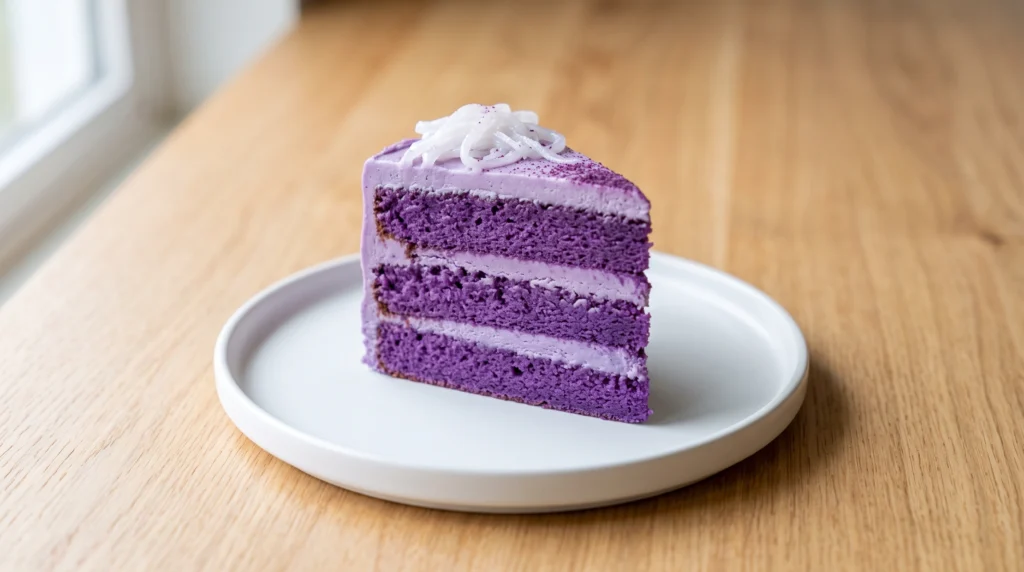
The first time I made ube cake, I left it in the oven five minutes too long because I got distracted answering the door. When I finally pulled it out, the crumb had gone from a bright violet to a dull, brownish gray. That one mistake taught me more about ube cake than any recipe ever had. This homemade ube cake fixes that exact problem, a moist, tender purple yam layer cake with real vibrant color, filled and frosted with rich ube buttercream.
Why You’ll Love This Ube Cake
- Real vivid purple color, not a dye job. This ube cake gets its color from real ube, and this recipe explains exactly how to keep that color bright instead of watching it fade.
- A true specialty flavor cake. Ube has a mildly sweet, nutty, vanilla-like flavor that’s genuinely unlike anything else in the layer cake world, in the same spirit as matcha or pistachio if you love trying novel flavors.
- Soft, moist crumb. Cake flour and a mix of butter and oil give this ube cake a tender texture that holds up beautifully to filling and frosting.
- Works in four formats. Layer cake, cupcakes, a chiffon-style loaf, or a sheet cake, all from the same base.
- A showstopper for any celebration. Filipino fiestas, birthdays, or just a dessert table that needs something nobody else is bringing.
What You Need
For the Cake
- 3 cups (375g) cake flour
- 1 tablespoon baking powder
- 1/2 teaspoon salt
- 1/2 cup (113g) unsalted butter, softened
- 1/2 cup (120ml) neutral oil (vegetable or canola)
- 1 1/2 cups (300g) granulated sugar
- 4 large eggs, room temperature
- 1 cup (240ml) coconut milk, room temperature
- 1/2 cup (120g) ube halaya (purple yam jam), plus 2 to 3 teaspoons ube extract for color
For the Ube Buttercream
- 1 1/2 cups (340g) unsalted butter, softened
- 4 1/2 cups (540g) powdered sugar, sifted
- 1/4 cup (60g) ube halaya
- 1 to 2 teaspoons ube extract, added gradually to taste and color
- Pinch of salt
- Toasted macapuno strings for decorating (optional)
A Quick Note on Ube Ingredients
Ube halaya, ube extract, and ube powder are not interchangeable, and most ube cake recipes never explain the difference. Ube halaya is the cooked, mashed purple yam jam, and it’s what gives this cake its real flavor and moisture. Ube extract is a concentrated flavoring and coloring agent that boosts both taste and color without adding extra moisture. Ube powder is dehydrated ube, best used in drinks or when fresh ube and halaya aren’t available at all. This recipe uses halaya for flavor and extract for color, which gives the most reliable result for a home baker in the US.
Baking Tools I Actually Use
| Amount | Name | Notes |
|---|---|---|
| 3 | 8 or 9 inch round cake pans | For the classic layer cake height |
| 1 | KitchenAid stand mixer or hand mixer | For creaming and frosting |
| 1 | Digital kitchen scale | For accurate flour measurement |
| 1 | Offset spatula | For smooth frosting application |
| 1 | Wire cooling rack | For cooling layers evenly |
| 1 | Cake turntable | For even, professional frosting |
| As needed | Parchment paper rounds | For easy layer release |
The One Rule: Protect the Purple, Don’t Overbake It
This is the single most avoidable mistake in every homemade ube cake, and it’s the one that got me on my first attempt.
Ube’s purple color comes from natural pigments called anthocyanins, the same pigment family that colors blueberries and purple cabbage. According to Ube 101’s breakdown of ube’s color science anthocyanins are chemically sensitive to both heat and pH, shifting toward duller, more brownish tones the longer they’re exposed to high temperatures, and shifting toward red or blue depending on how acidic or alkaline the batter is. A peer-reviewed study on purple yam anthocyanins published in the International Journal of Food Science confirms that these pigments are highly susceptible to degradation from heat, pH shifts, and prolonged exposure to oxygen, which is exactly why an overbaked ube cake looks so different from a properly baked one.
In practical terms, this means two things matter more than anything else for this ube cake. First, don’t overbake it. Start checking for doneness a few minutes before the timer goes off, since the color fades fast once the crumb dries out. Second, keep the batter’s pH balanced. Too much baking soda without enough acid can push the color toward a duller, greenish gray, so this recipe relies mainly on baking powder rather than straight baking soda to keep the color stable.
Step by Step Instructions
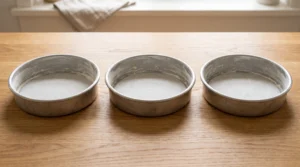
Step 1: Prep the Pans Preheat the oven to 350 degrees F. Grease and flour three cake pans, then line the bottoms with parchment paper rounds.
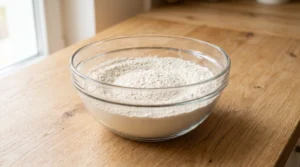
Step 2: Mix Dry Ingredients Whisk the cake flour, baking powder, and salt together in a medium bowl. Set aside.
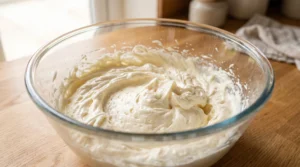
Step 3: Cream Butter, Oil, and Sugar In a stand mixer, beat the butter, oil, and sugar together on medium speed for a full 3 minutes until noticeably lighter in color and fluffy.
Step 4: Add Eggs Add the eggs one at a time, mixing until just combined after each.
Step 5: Add Ube Halaya and Extract Mix in the ube halaya and ube extract until fully combined and evenly colored.
Step 6: Alternate Dry and Wet With the mixer on low, add the flour mixture in three additions, alternating with the coconut milk in two additions, starting and ending with flour. Mix just until combined.
Step 7: Bake Divide the batter evenly between the three pans. Bake for 24 to 28 minutes, checking a few minutes early, until a toothpick inserted in the center comes out clean.
Step 8: Cool Completely Cool the cakes in their pans for 10 minutes, then turn out onto a wire rack to cool completely before frosting.
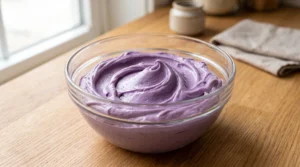
Step 9: Make the Ube Buttercream Beat the butter alone for 2 minutes until pale and creamy. Add the powdered sugar one cup at a time, then mix in the ube halaya and ube extract gradually until you reach the color and flavor you want.
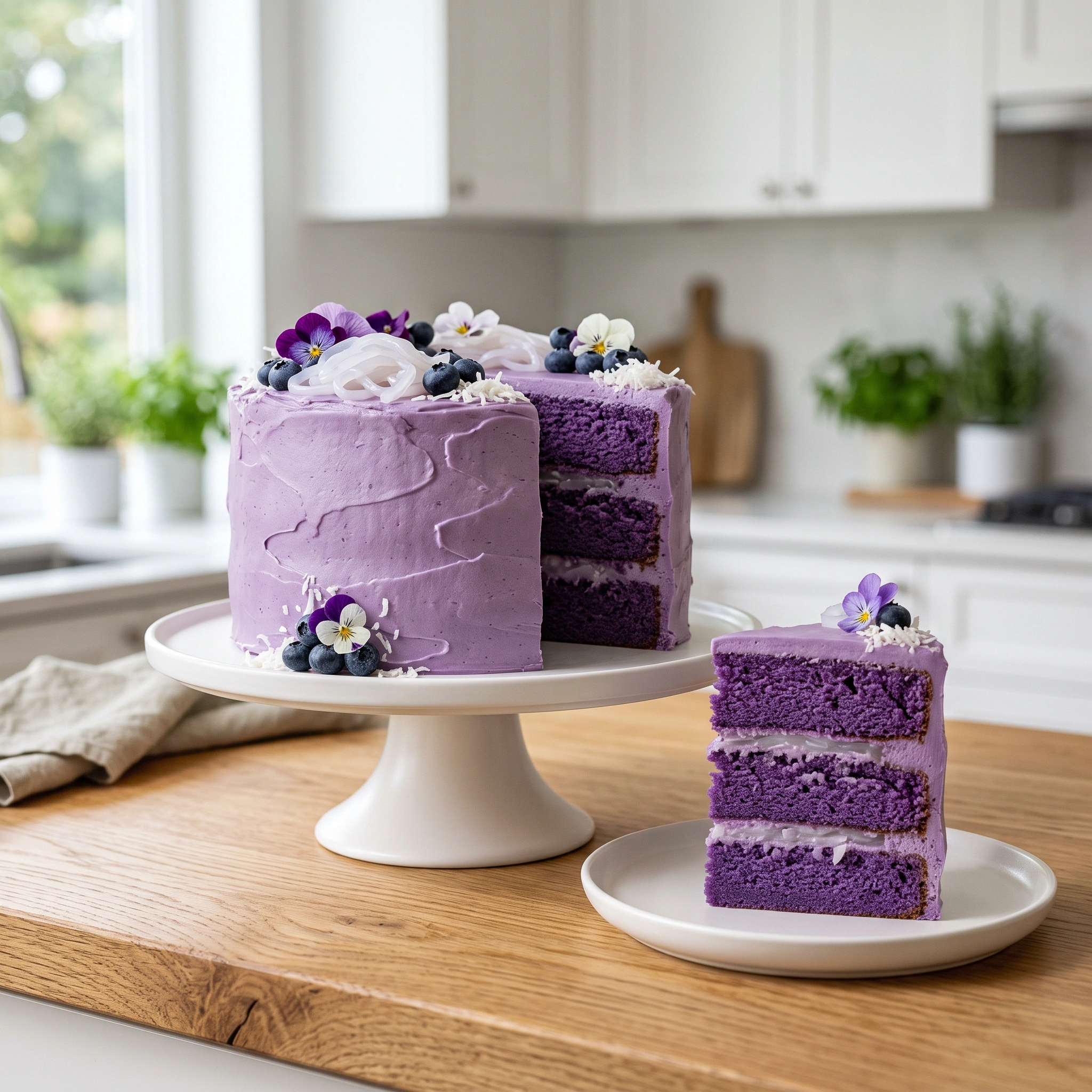
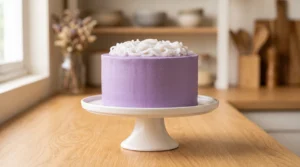
Step 10: Assemble and Decorate Level the layers with a serrated knife if needed. Frost between each layer, apply a thin crumb coat, refrigerate for 20 minutes, then apply the final coat of frosting. Top with toasted macapuno strings if using.
Common Mistakes to Avoid
Even with the right ingredients, a few small missteps can still dull this ube cake’s signature color, so here’s exactly what to watch for.
- Overbaking. This is the single biggest cause of a grayish, faded ube cake. Start checking a few minutes early.
- Using too much baking soda. An overly alkaline batter can push the purple toward a duller, greenish tone. This recipe relies on baking powder instead.
- Confusing ube halaya, extract, and powder. Using the wrong form, or using them in the wrong ratio, changes both the flavor and the final color.
- Overmixing after adding the flour. This develops gluten and turns a light cake into a dense, tough one.
- Storing frosted cake in direct light for too long. Like most natural pigments, ube’s color fades faster with prolonged light exposure.
Variations
This ube cake recipe adapts easily if a full layer cake isn’t what your occasion calls for.
Ube Chiffon Cake Separate the eggs and fold whipped egg whites into the batter for a lighter, airier chiffon-style crumb. Bake in a tube pan for 45 to 50 minutes.
Ube Cupcakes Divide the batter into lined muffin tins and bake for 18 to 20 minutes. Makes about 24 cupcakes.
Ube Cheesecake Swirl Swirl a few tablespoons of ube halaya into a plain cheesecake batter before baking for a marbled purple effect.
Ube Sheet Cake Pour the same batter into a greased 9×13 inch pan and bake for 35 to 40 minutes. Frost directly in the pan.
Dairy Free Ube Cake Substitute the butter with a dairy free alternative and use full-fat coconut milk in place of regular coconut milk, which actually complements ube’s flavor naturally.
Serving Ideas
A few toasted macapuno strings pressed onto the top of this ube cake give it the exact bakery-style finish Filipino bakeshops are known for, and the color alone makes it the centerpiece of any dessert table before a single slice is cut. Serve at room temperature so the buttercream stays soft, and pair a slice with a scoop of ube or vanilla ice cream for extra indulgence.
This ube cake also works beautifully at Filipino-American celebrations, potlucks, or any gathering where guests haven’t tried ube before. It tends to be the cake people ask about first.
How to Store Ube Cake
Room temperature: Covered under a cake dome, away from direct light, this ube cake stays fresh for up to 2 days.
Refrigerator: Store covered for up to 5 days. Let it sit at room temperature for about 30 minutes before serving so the buttercream softens back to its best texture.
Freezer: Unfrosted ube cake layers wrapped tightly in plastic wrap and foil freeze well for up to 3 months. Thaw overnight in the refrigerator before frosting.
The Best Ube Cake Recipe (Moist, Vividly Purple, From Scratch)
Ingredients
Equipment
Method
- Preheat oven to 350 degrees F. Grease and flour three cake pans and line the bottoms with parchment rounds.
- Whisk the cake flour, baking powder, and salt in a medium bowl. Set aside.
- In a stand mixer, beat the butter, oil, and sugar on medium speed for 3 minutes until light and fluffy.
- Add eggs one at a time, mixing until just combined after each.
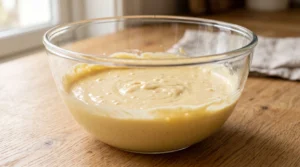
- Mix in the ube halaya and ube extract until evenly combined.
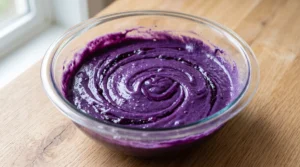
- With the mixer on low, add the flour mixture in three additions, alternating with the coconut milk in two additions, starting and ending with flour. Mix just until combined.
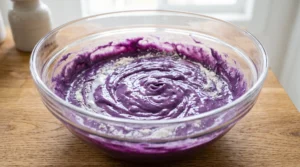
- Divide the batter evenly among the three pans and bake for 24 to 28 minutes, checking a few minutes early, until a toothpick comes out clean.
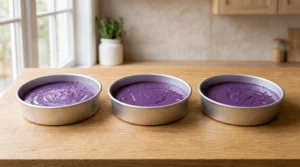
- Cool in the pans for 10 minutes, then transfer to a wire rack to cool completely before frosting.
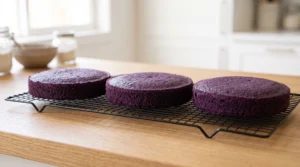
- Beat the butter alone for 2 minutes until pale and creamy. Add powdered sugar one cup at a time, then mix in the ube halaya and ube extract to taste.
- Frost between each layer, apply a thin crumb coat, refrigerate for 20 minutes, then apply the final coat of frosting and top with macapuno strings if using.
Notes
- Don’t overbake. The purple color fades fast once the crumb dries out.
- Use ube halaya for flavor and ube extract for color. They serve different roles.
- Store away from direct light to help preserve the color longer.
- Store refrigerated up to 5 days. Bring to room temperature before serving.
Frequently Asked Questions
Why did my ube cake turn gray or brown? This almost always comes from overbaking, since ube’s anthocyanin pigments degrade with prolonged heat exposure. It can also happen from using too much baking soda, which shifts the color toward a duller tone.
What’s the difference between ube halaya, ube extract, and ube powder? Ube halaya is cooked, mashed purple yam jam used for flavor and moisture. Ube extract is a concentrated flavoring and coloring agent. Ube powder is dehydrated ube, mainly used in drinks or when fresh ube isn’t available.
Is ube the same as taro or purple sweet potato? No. Ube is a purple yam (Dioscorea alata), taro is a different starchy root with a grayish-purple color and a more mineral flavor, and purple sweet potato is a different tuber entirely. All three are sometimes mislabeled interchangeably in the US, but they have distinct flavors and colors.
Where can I buy ube in the United States? Ube halaya, extract, and powder are most reliably found at Filipino or broader Asian grocery stores, and are also widely available through online specialty grocers.
Can I make this cake ahead of time? Yes. Bake the layers up to 2 days ahead, wrap them tightly, and store at room temperature away from direct light, then frost on the day you plan to serve it.
Can I use fresh ube instead of ube halaya? Yes, if you can find fresh or frozen ube, you can steam and mash it yourself to make a homemade halaya, though the color and moisture content will vary depending on the ube variety.
Do I need cake flour, or will all purpose work? All purpose flour works, but cake flour produces a noticeably softer, more delicate crumb that better matches a bakery-style ube cake.
How far ahead can I make the ube buttercream? Up to 3 days ahead, stored in an airtight container in the fridge. Bring it to room temperature and re-whip briefly before using.
The Story Behind Ube Cake
Ube, or purple yam, is native to the Philippines and has been part of Filipino cooking and desserts for generations, showing up in everything from ube halaya itself to ice cream and pastries. Its rise into mainstream US bakery culture owes a lot to Red Ribbon Bakeshop, a Filipino bakery chain that expanded into the United States and introduced its ube cake to a much wider audience than Filipino households alone. What started as a beloved home and community dessert has become one of the most requested specialty flavors in American bakeries over the past several years, driven by both the Filipino diaspora and a broader curiosity about its striking natural color and unique flavor.
This homemade version brings that same vivid color and flavor into a from-scratch layer cake, without the guesswork that usually comes from not knowing why the color fades in the first place.