The Best Matcha Cake Recipe (Fluffy, Earthy, Naturally Green)
Matcha cake is one of those recipes that either works beautifully or disappoints completely, and the difference almost always comes down to one thing: the quality of the matcha powder you put in the batter.
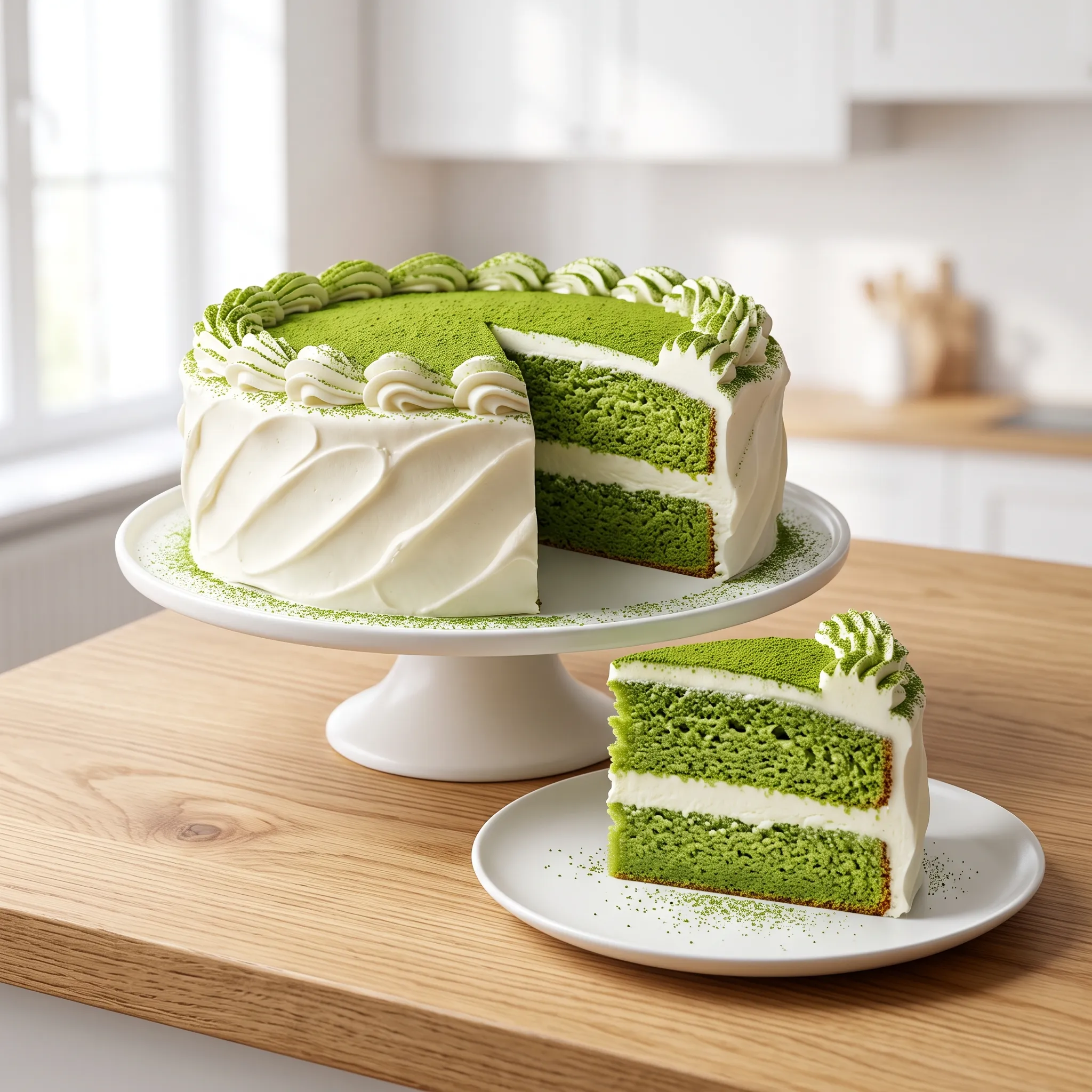
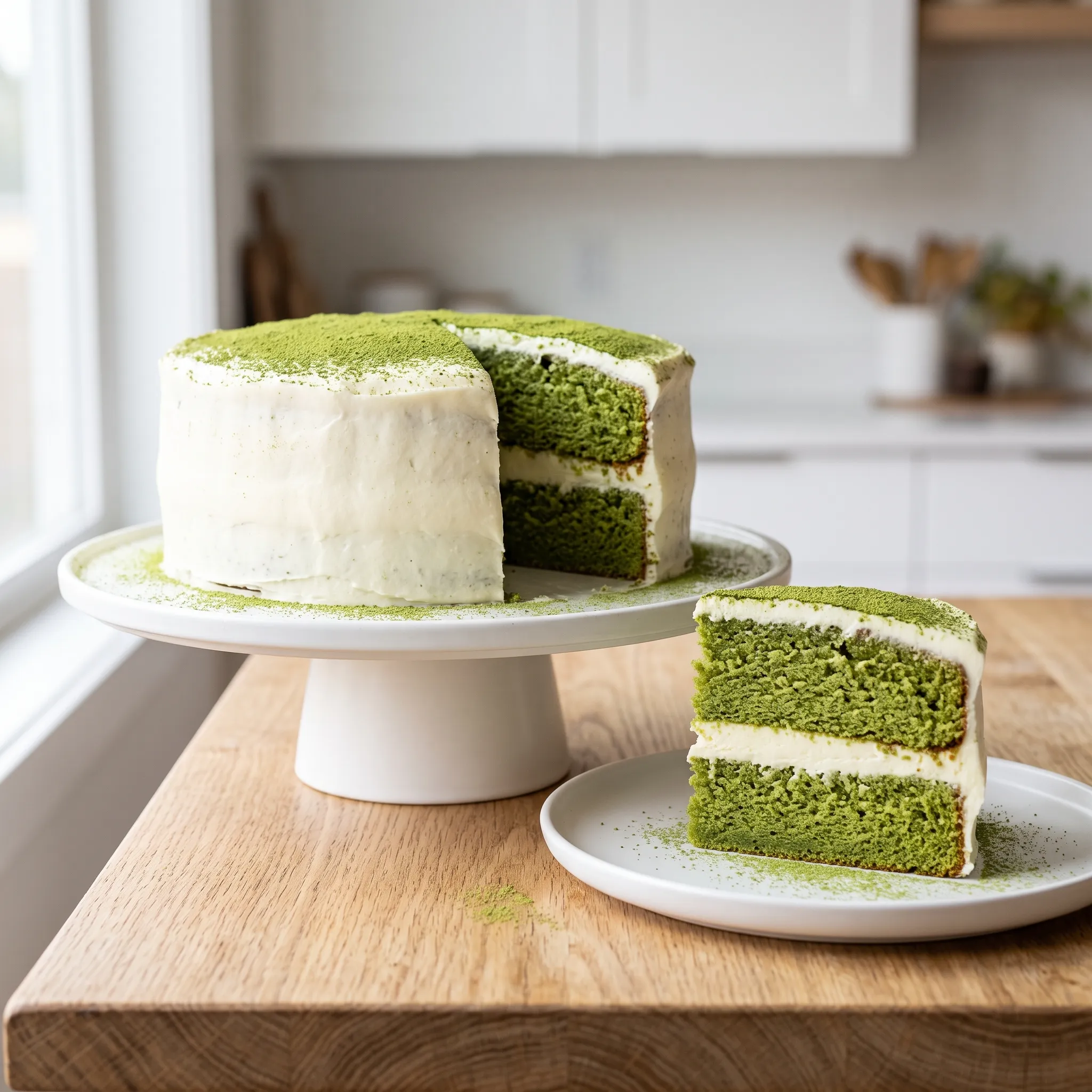
This recipe gets that right from the start. It uses a combination of butter and oil for a crumb that stays moist for days, a white chocolate cream cheese frosting that balances the earthy bitterness of the green tea, and enough matcha to actually taste like matcha rather than a vague hint of something green. The color is naturally vivid. No food dye. No artificial flavoring. Just high-quality matcha powder doing what it is supposed to do.
If you have made matcha cake before and been disappointed by a pale, barely-flavored result, the fix is almost certainly the grade of matcha you used. We will get into that in the science section, but the short version is: culinary grade matcha is designed for lattes and smoothies, not for baking. Use ceremonial grade, or at the very least premium culinary grade from a verified Japanese source, and the difference in the finished cake is immediately visible and unmistakably better.
Why You’ll Love This Matcha Cake
- Real, intense matcha flavor. The recipe uses enough matcha to produce a genuinely earthy, grassy, slightly bitter flavor that actually tastes like green tea.
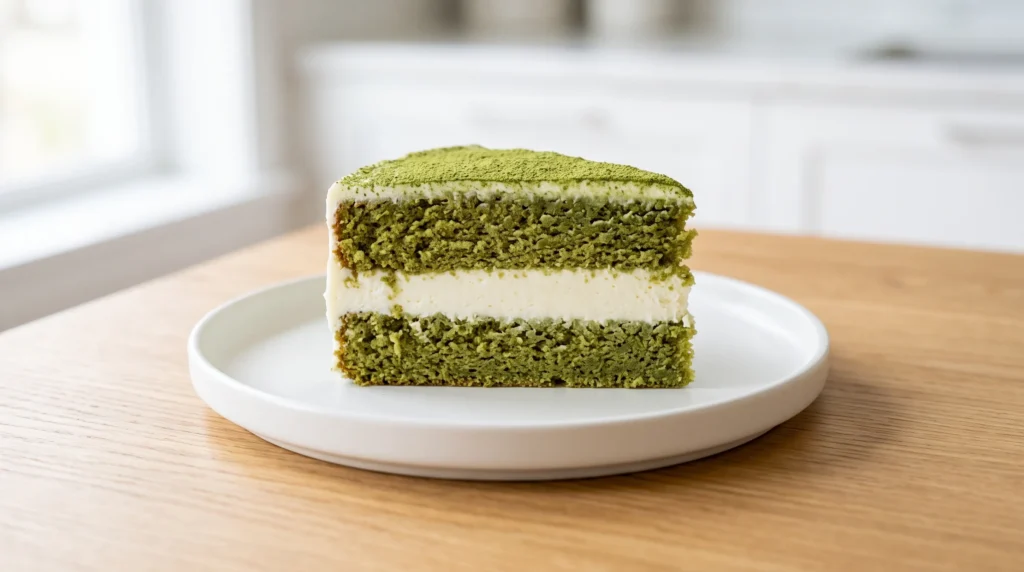
- Naturally vivid green color. High-quality matcha powder gives the crumb a beautiful, deep green without any food coloring.
- Butter and oil combination. Butter adds flavor, oil adds lasting moisture. Together they produce a crumb that is rich and stays soft for three days.
- White chocolate cream cheese frosting. The sweetness and creaminess of white chocolate tames the bitterness of the matcha without masking it, creating a balance most matcha cake recipes never achieve.
- Works for any occasion. Spring celebrations, birthdays, dinner parties, Japanese-themed events. This cake photographs beautifully and tastes unlike anything else on the dessert table.
What You Need
For the Matcha Cake Layers
- 2 1/4 cups all-purpose flour
- 1 tablespoon cornstarch
- 3 tablespoons ceremonial or premium culinary grade matcha powder (sifted)
- 2 teaspoons baking powder
- 1/2 teaspoon salt
- 3/4 cup unsalted butter, room temperature
- 1/4 cup vegetable oil
- 1 3/4 cups granulated sugar
- 4 large eggs, room temperature
- 2 teaspoons vanilla extract
- 1 cup whole milk, room temperature
- 1/4 cup sour cream, room temperature
For the White Chocolate Cream Cheese Frosting
- 4 oz good quality white chocolate, finely chopped and melted
- 16 oz full-fat brick-style cream cheese (Philadelphia), softened
- 3/4 cup unsalted butter, softened
- 4 cups powdered sugar, sifted
- 1 teaspoon vanilla extract
- Pinch of salt
Optional Toppings
- 1 teaspoon ceremonial grade matcha, for dusting
- Fresh raspberries or sliced strawberries
- White chocolate shavings
Recommended Equipment
- A fine-mesh sieve for sifting matcha powder
- Two or three 8-inch round cake pans
- A KitchenAid stand mixer or hand mixer
- A digital kitchen scale for precise measurements
- An offset spatula for frosting
- A cake turntable for smooth, even sides
- A bench scraper for a clean finish
- Parchment paper rounds for easy layer release
Step-by-Step Instructions
Step 1: Sift the Matcha
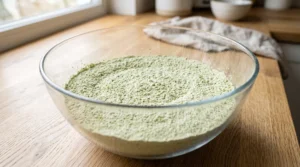
Always sift matcha powder before adding it to any batter. Matcha clumps easily and those clumps will not break down during mixing, leaving bitter, concentrated pockets of green powder in the finished cake. Use a fine-mesh sieve and press the matcha through with a spoon if needed.
Step 2: Mix Dry Ingredients
Whisk together the flour, cornstarch, sifted matcha powder, baking powder, and salt until evenly combined. Set aside.
Step 3: Cream Butter, Oil, and Sugar
In a stand mixer, beat the room temperature butter for 2 minutes until smooth. Add the oil and beat for another minute. Add the sugar and beat on medium-high for 4 minutes until very pale and fluffy. This extended creaming time builds the air structure that gives the cake its light, even crumb.
Step 4: Add Eggs and Vanilla
Add the eggs one at a time on medium speed, scraping the bowl between each addition. Add the vanilla extract. Mix until the batter is smooth and combined.
Step 5: Add Sour Cream
Add the sour cream and mix on low until just combined.
Step 6: Alternate Dry and Wet
Add the flour-matcha mixture in three additions, alternating with the milk in two additions, beginning and ending with the flour mixture. Mix on low speed and stop the moment each addition is incorporated. Overmixing at this stage toughens the crumb.
Step 7: Bake
Preheat oven to 350 degrees F. Divide the batter evenly between greased, parchment-lined cake pans. Bake for 28 to 32 minutes until a toothpick inserted in the center comes out clean or with a few moist crumbs. Cool in pans for 10 minutes, then turn onto a wire rack to cool completely before frosting.
Step 8: Make the White Chocolate Cream Cheese Frosting
Melt the white chocolate gently (in a double boiler or in 30-second microwave intervals, stirring between each). Let it cool to room temperature. Beat the softened cream cheese and butter together until completely smooth, 2 to 3 minutes. Add the cooled melted white chocolate and mix until combined. Add the powdered sugar one cup at a time on low speed. Add vanilla and salt. Beat on medium for 1 to 2 minutes until smooth and spreadable. If the frosting seems soft, refrigerate for 20 minutes before using.
Step 9: Assemble
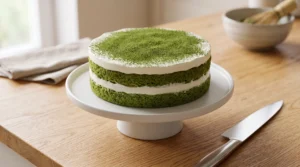
Level the cake layers if needed. Place one layer on a cake board or plate. Spread a generous layer of frosting. Stack the second layer. Apply a thin crumb coat over the outside and refrigerate 20 minutes. Apply the final frosting layer. Dust lightly with sifted matcha powder before serving for a visual finish.
The Science: Why Matcha Grade Changes Everything in Baking
This is the most important thing to understand before you buy your matcha.
Matcha powder is made from shade-grown green tea leaves that are ground into a fine powder. The shade-growing process, which typically lasts 20 to 30 days before harvest, forces the plant to produce more chlorophyll (responsible for the vivid green color) and more L-theanine (an amino acid responsible for the umami, savory depth of high-quality matcha). Lower grades of matcha are made from older leaves harvested later in the season, which have less chlorophyll, less L-theanine, and significantly more catechins, the bitter compounds that make low-grade matcha taste harsh.
According to the Japan Tea Export Promotion Council the finest matcha comes from regions like Uji in Kyoto Prefecture, Nishio in Aichi Prefecture, and Yame in Fukuoka Prefecture. First-harvest (ichibancha) matcha from these regions commands premium prices because the leaves are harvested only once a year at peak quality, producing the smooth, umami-forward, minimally bitter flavor that makes high-grade matcha genuinely worth baking with.
In a cake batter, the differences between grades are amplified. The heat of baking drives off the most volatile aromatic compounds quickly, which means a lower-grade matcha that already has weak aromatics will taste nearly flavorless in a baked cake. A high-grade matcha retains enough of its characteristic flavor and color even after baking to produce a visibly green, genuinely matcha-flavored result. This is why the same tablespoon of cheap culinary matcha and expensive ceremonial matcha produce such dramatically different results in a finished cake.
The cornstarch in this recipe is not there by accident. Matcha powder absorbs liquid differently from flour, and substituting matcha for some of the flour without adjusting the recipe can result in a denser, slightly gummy crumb. Replacing 1 tablespoon of flour with cornstarch compensates for this by lowering the overall protein content of the dry ingredients, keeping the crumb soft and tender despite the additional absorbent powder.
According to Healthline’s analysis of matcha’s nutritional profile ceremonial grade matcha contains high concentrations of EGCG (epigallocatechin gallate), one of the most studied antioxidant compounds in green tea. While baking reduces some of these compounds through heat exposure, a meaningful amount survives, which is a genuinely nice bonus for something that is, at its core, a cake.
Variations Worth Making
Strawberry Matcha Cake
Add a layer of fresh strawberry compote between the cake layers alongside the white chocolate cream cheese frosting. The bright acidity of the strawberry cuts through the earthy richness of the matcha in a way that has driven this combination to a 142% year-over-year growth in flavor trend data. It also connects beautifully with our Strawberry Cake from Scratch for anyone who wants to explore both ends of this flavor pairing.
Matcha Pistachio Cake
Replace the white chocolate cream cheese frosting with pistachio cream cheese frosting (see our Pistachio Cake recipe for the frosting formula). The two earthy, nuanced flavors build on each other rather than competing, and the visual contrast of green on green looks deliberately sophisticated.
Matcha Coconut Cake
Add half a cup of toasted shredded coconut to the batter and replace the sour cream with full-fat coconut cream. Top the frosted cake with additional toasted coconut. The coconut adds a tropical sweetness that softens the bitter edge of the matcha beautifully.
Matcha Lemon Cake
Add 2 tablespoons of fresh lemon zest to the frosting only, not the batter. Lemon and matcha can clash when their bitter and sour profiles meet too directly in the crumb, but a lemon-zested frosting adds brightness without overwhelming the earthy cake.
Matcha Sheet Cake
Pour all the batter into a greased 9×13-inch pan and bake at 350 degrees F for 30 to 35 minutes. Frost directly in the pan. This is the easiest format for serving a crowd and the matcha flavor is just as good.
Gluten-Free Matcha Cake
Replace the flour and cornstarch with an equal weight of a 1-to-1 gluten-free baking blend such as Bob’s Red Mill 1:1 or King Arthur Measure for Measure. The combination of oil, sour cream, and eggs makes this batter unusually forgiving of gluten-free substitutions.
Serving Ideas
Matcha cake does not need elaborate decoration to look impressive. The naturally vivid green crumb against white or cream-colored frosting is visually arresting on its own.
A dusting of sifted ceremonial matcha over the frosted top is the simplest and most effective finishing touch. For spring gatherings and celebrations, fresh raspberries or strawberries arranged on top add color contrast that amplifies the visual impact considerably. The tartness of the berry against the earthy matcha and sweet frosting creates a flavor balance that is genuinely more than the sum of its parts.
For a Japanese-influenced presentation, serve slices alongside a cup of plain hot green tea with no additions. The parallels between drinking green tea and eating green tea cake create a slightly surreal but genuinely pleasing experience. For dinner parties where presentation matters, a single fresh edible flower pressed into the frosting on each slice signals that attention was paid here.
How to Store Matcha Cake
Room temperature: Frosted cake keeps under a cake dome for up to 2 days. Matcha is sensitive to light and air exposure, both of which can fade the color and reduce the flavor intensity over time.
Refrigerator: Covered tightly for up to 5 days. Remove 30 to 45 minutes before serving. Cold butter-based frosting is dense and muted; room temperature frosting is silky and full-flavored.
Freezer: Unfrosted cake layers wrapped in plastic wrap and foil freeze for up to 2 months. Note that freezing and thawing can slightly dull the green color of the matcha crumb, though the flavor remains largely intact. Frost after thawing completely.
Tips That Make a Difference
- Always sift matcha before use. This single step prevents bitter clumps and ensures even color distribution through the crumb.
- Store your matcha in an airtight container away from light and heat. Matcha oxidizes quickly once opened and loses both color and flavor within a few weeks if stored improperly.
- Do not substitute ceremonial grade matcha with cheap culinary grade for this recipe. The quality difference is pronounced in a baked cake where heat removes much of the delicate flavor that low-grade matcha already lacks.
- The butter-oil combination in this recipe is deliberate. Do not replace the oil entirely with butter. The oil is what keeps the crumb moist and soft even after refrigeration.
- Melt the white chocolate gently and let it cool before adding it to the frosting. Hot chocolate added to cream cheese will cause the frosting to break and turn grainy.
The Best Matcha Cake (Fluffy, Earthy, Naturally Green)
Ingredients
Equipment
Method
- Preheat oven to 350 degrees F. Grease pans, line with parchment, grease parchment.
- Sift matcha powder through a fine-mesh sieve. Whisk together flour, cornstarch, sifted matcha, baking powder, and salt. Set aside.
- Beat butter for 2 minutes until smooth. Add oil and beat 1 minute. Add sugar and beat 4 minutes until pale and very fluffy.
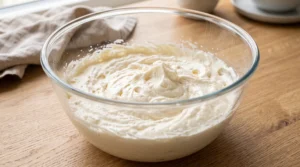
- Add eggs one at a time, scraping bowl between each. Add vanilla. Mix until combined.
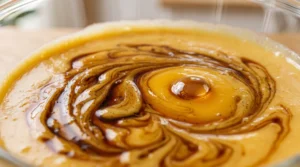
- Add sour cream, mix on low until just combined.
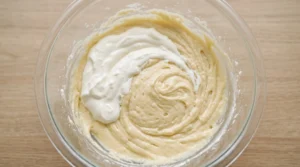
- Add flour mixture in 3 additions, alternating with milk in 2 additions. Mix on low, stop when just incorporated.
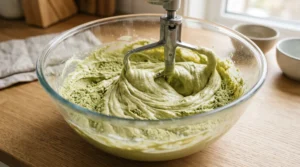
- Divide batter evenly between pans. Bake 28 to 32 minutes until toothpick shows moist crumbs.
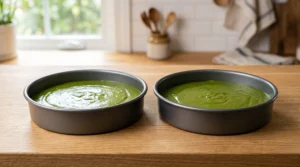
- Cool in pans 10 minutes. Cool completely on wire rack.
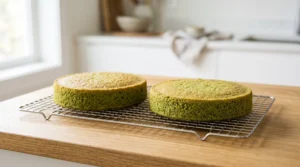
- For frosting: melt white chocolate gently. Cool to room temperature. Beat cream cheese and butter until smooth, 2 to 3 minutes. Add cooled white chocolate. Add powdered sugar cup by cup. Add vanilla and salt. Beat on medium 1 to 2 minutes.
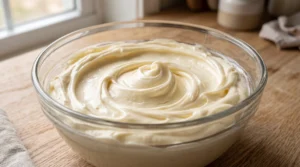
- Level layers. Spread frosting between layers. Crumb coat, refrigerate 20 minutes, apply final frosting layer.
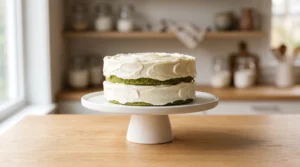
- Dust with sifted matcha before serving.
Notes
- Always sift matcha before use. Clumps do not break down in the batter.
- Use ceremonial or premium culinary grade matcha. Cheap culinary grade produces pale color and weak flavor in a baked cake.
- Store matcha in an airtight container away from light. It oxidizes and fades quickly once opened.
- Cool melted white chocolate completely before adding to cream cheese frosting.
- Store refrigerated up to 5 days. Bring to room temperature before serving.
Frequently Asked Questions
What is the best matcha powder for baking a cake?
For this recipe, use ceremonial grade matcha or at minimum premium culinary grade from a verified Japanese source. Brands like Jade Leaf, Encha, and Rishi consistently produce reliable quality for baking. Avoid any matcha labeled “ceremonial” that costs under $15 for 30 grams, as genuine ceremonial grade cannot be produced at that price point due to the labor costs of shade-growing and stone-grinding.
Can I use culinary grade matcha instead of ceremonial grade?
You can, but the results will be noticeably different. Culinary grade matcha produces a less vivid green color and a more bitter, less nuanced flavor in a baked cake. The cake will still be good, but it will not achieve the same depth of flavor or visual impact as the ceremonial grade version.
Why is my matcha cake not green?
Low-grade matcha, insufficient matcha quantity, or overbaking are the three most common causes. Make sure you are using at least 3 tablespoons of high-quality matcha, that the matcha is sifted before mixing, and that you pull the cake from the oven as soon as the toothpick shows a few moist crumbs rather than baking until completely dry.
Does matcha cake taste bitter?
A small amount of pleasant bitterness is normal and expected. High-quality matcha has an earthy, grassy, slightly bitter flavor that is balanced in this recipe by the sweetness of the sugar and the richness of the white chocolate cream cheese frosting. If your cake tastes unpleasantly bitter, the matcha grade is likely the issue.
Can I make this cake ahead of time?
Yes. Bake the layers up to 2 days ahead, wrap tightly in plastic wrap, and store at room temperature. Make the frosting up to 1 day ahead and refrigerate separately. Assemble and frost the day of or one day before serving. Store assembled cake refrigerated and bring to room temperature before serving.