Decadent Salted Caramel Cake Recipe (Balanced, Never Too Salty)
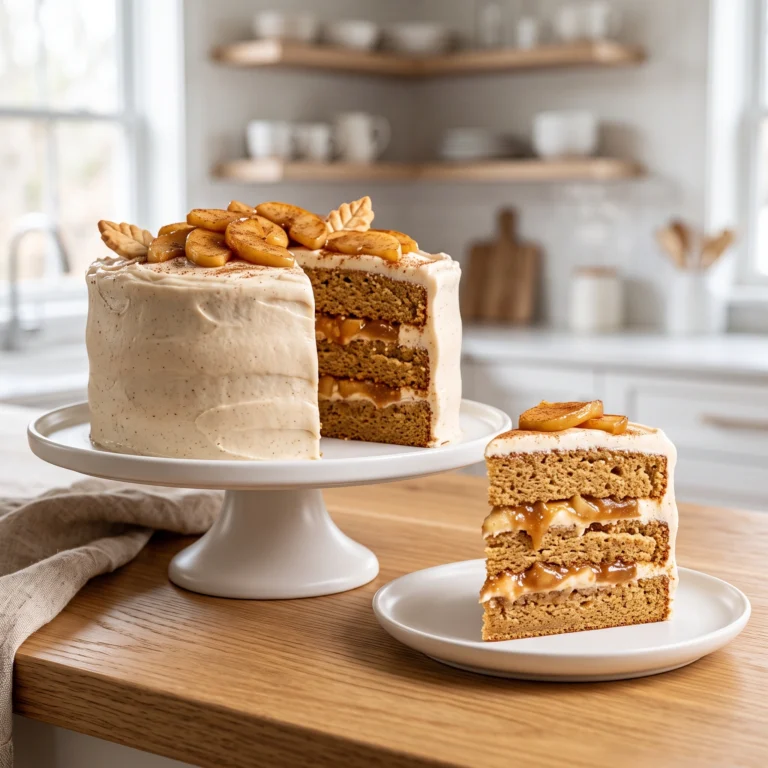
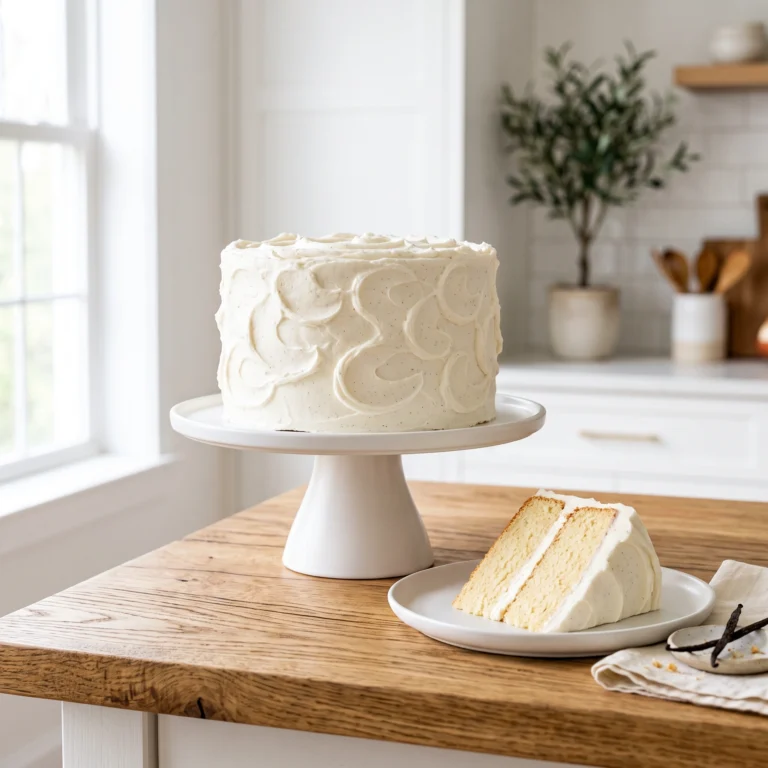
A good salted caramel cake lives or dies on one balance point: enough salt to cut the sweetness, not so much that it tastes like a mistake. Get that balance right and it’s one of the most satisfying flavor combinations in baking. Get it wrong, and you end up with either a cake that tastes like plain caramel or one that’s oddly, distractingly salty. This version keeps that balance in check, with soft vanilla layers, caramel folded into the batter itself, and a caramel buttercream finished with a proper drip.
Why You’ll Love This Salted Caramel Cake
- Consistent salt balance every time. Most homemade versions swing too salty or too sweet depending on which salt you grab. This recipe explains exactly why that happens and how to avoid it.
- Caramel in the cake, not just the frosting. Many recipes only add caramel on the outside. Folding some directly into the batter gives every bite real caramel flavor, not just the top layer.
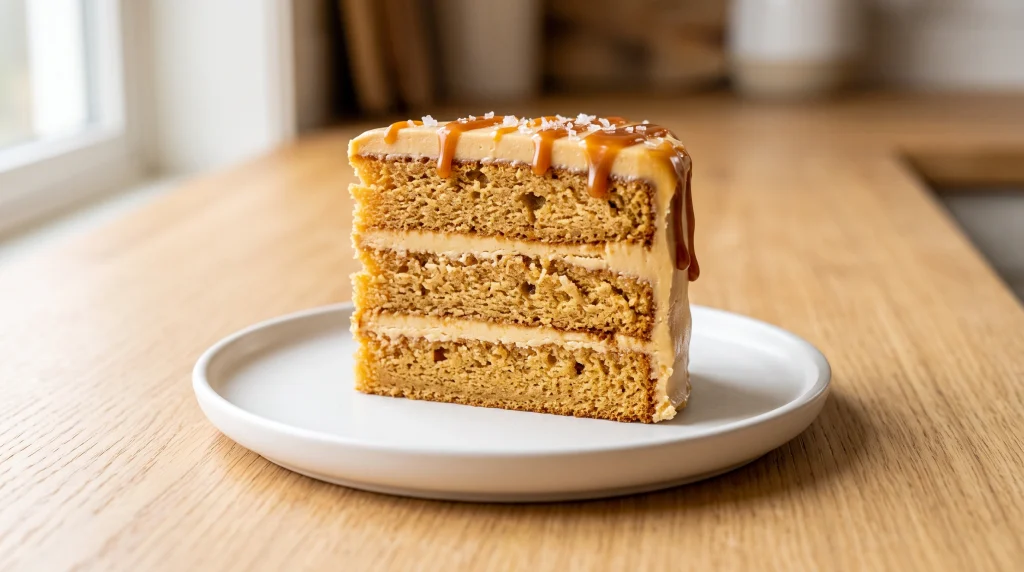
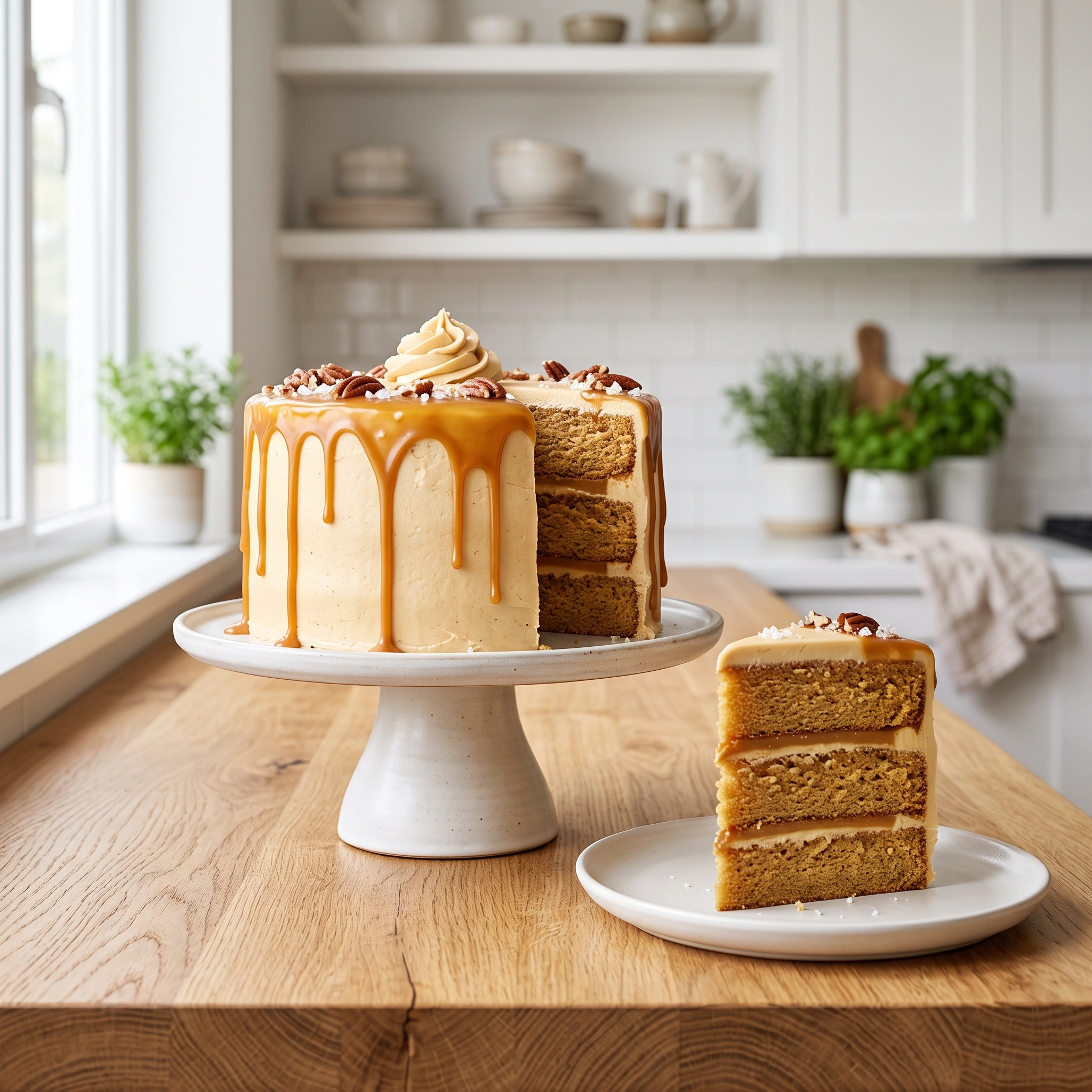
- A dramatic caramel drip finish. Simple to pull off, and it makes this cake look like it came from a real bakery.
- Works in four formats. Layer cake, Bundt, sheet cake, or cupcakes, all from the same base.
- A genuinely elegant, year-round cake. Birthdays, dinner parties, or any celebration that calls for something a step above chocolate or vanilla.
What You Need
For the Cake
- 2 3/4 cups (345g) cake flour
- 1 tablespoon baking powder
- 1/2 teaspoon salt
- 3/4 cup (170g) unsalted butter, softened
- 1 1/4 cups (250g) granulated sugar
- 4 large eggs, room temperature
- 1 cup (240ml) buttermilk, room temperature
- 2 teaspoons vanilla extract
- 1/3 cup (80ml) of the caramel sauce (reserved from below)
For the Caramel Sauce
- 1 cup (200g) granulated sugar
- 6 tablespoons unsalted butter, cut into pieces
- 1/2 cup (120ml) heavy cream, room temperature
- 1 teaspoon flaky sea salt
This makes about 1 to 1 1/4 cups of caramel sauce, based on the standard yield for this classic ratio. Reserve 1/3 cup for the cake batter and 1/3 cup for the buttercream, leaving roughly 1/3 to 1/2 cup for the drip.
For the Caramel Buttercream
- 1 cup (227g) unsalted butter, softened
- 4 cups (480g) powdered sugar, sifted
- 1/3 cup (80ml) of the caramel sauce (reserved from above)
- Pinch of salt
A Quick Note on Salt
This recipe calls for flaky sea salt, and that’s not interchangeable 1-to-1 with table salt or fine kosher salt. Different salts pack differently by volume, so a teaspoon of one can deliver noticeably more or less actual sodium than a teaspoon of another. Using the wrong type at the same measurement is one of the fastest ways to end up with a salted caramel cake that’s either too salty or barely salty at all, which is covered in more detail in The One Rule section below.
Baking Tools I Actually Use
| Amount | Name | Notes |
|---|---|---|
| 3 | 9 inch round cake pans | For the classic layer cake height |
| 1 | KitchenAid stand mixer or hand mixer | For creaming and frosting |
| 1 | Heavy-bottomed saucepan | For the caramel sauce |
| 1 | Candy thermometer | Optional, for tracking the caramel’s temperature around 350 degrees F, though a deep amber color works fine as a visual cue too |
| 1 | Offset spatula | For smooth frosting application |
| 1 | Cake turntable | For even, professional frosting |
The One Rule: Match the Salt Type to the Amount
This is the single most avoidable mistake in every homemade salted caramel cake, and it explains why the same recipe can taste completely different depending on what’s sitting in your pantry.
Salt isn’t one uniform ingredient when it comes to baking measurements. According to Bake School’s guidance on salted caramel sauce table salt, kosher salt, and flaky sea salt all have different crystal sizes and densities, so a teaspoon of fine table salt actually contains more sodium by volume than a teaspoon of coarser kosher or sea salt. Swapping one for another at the same measurement without adjusting the amount is exactly how a recipe that tastes perfectly balanced for its author turns out too salty or too bland in someone else’s kitchen.
The Kitchn’s guidance on caramel sauce backs this up directly, noting that finer salts are generally saltier by volume than coarser ones, so substituting one for another at the same measurement can throw off the balance. The exact difference varies by brand though, since even different kosher salt brands don’t share the same crystal size or density. If you only have table salt on hand instead of the flaky sea salt this recipe calls for, start with less than the amount called for, then taste the cooled caramel sauce and adjust from there rather than assuming a fixed conversion.
Step by Step Instructions
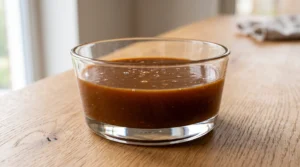
Step 1: Make the Caramel Sauce In a heavy-bottomed saucepan over medium heat, melt the sugar, stirring occasionally, until it turns a deep amber color, about 350 degrees F on a candy thermometer if using, about 8 to 10 minutes. Remove the pan from the heat. Carefully whisk in the butter piece by piece, standing back a little since it will bubble. Once the butter is incorporated, slowly pour in the heavy cream while whisking constantly, again standing back from the steam and bubbling. Stir in the flaky sea salt. Let cool completely.
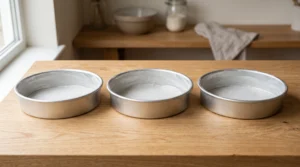
Step 2: Prep the Pans Preheat the oven to 350 degrees F. Grease and flour three cake pans, then line the bottoms with parchment paper rounds.
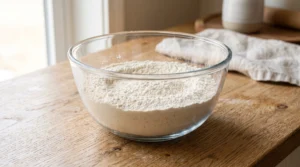
Step 3: Mix Dry Ingredients Whisk the cake flour, baking powder, and salt together in a medium bowl.
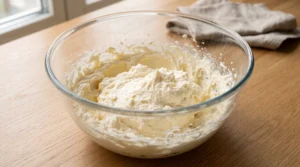
Step 4: Cream Butter and Sugar In a stand mixer, beat the butter and sugar together on medium speed for a full 3 minutes until light and fluffy.
Step 5: Add Eggs Add the eggs one at a time, mixing until just combined after each.
Step 6: Add Vanilla and Caramel Mix in the vanilla extract and 1/3 cup of the cooled caramel sauce.
Step 7: Alternate Dry and Wet With the mixer on low, add the flour mixture in three additions, alternating with the buttermilk in two additions, starting and ending with flour.
Step 8: Bake Divide the batter evenly between the three pans and bake for 26 to 30 minutes, until a toothpick inserted in the center comes out clean.
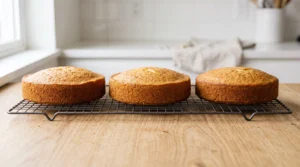
Step 9: Cool Completely Cool the cakes in their pans for 10 minutes, then turn out onto a wire rack to cool completely before frosting.
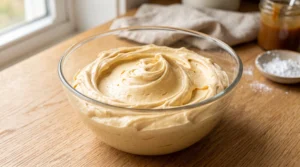
Step 10: Make the Caramel Buttercream Beat the butter until pale and creamy. Add the powdered sugar gradually, then mix in 1/3 cup of the remaining caramel sauce and salt until fluffy.
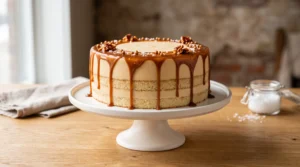
Step 11: Assemble and Frost Level the layers with a serrated knife if needed. Frost between each layer, apply a thin crumb coat, refrigerate for 20 minutes, then apply the final coat of frosting. Drizzle any remaining caramel sauce over the top, letting it drip down the sides.
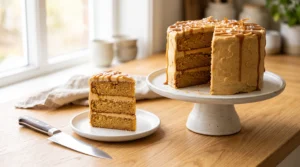
Step 12: Slice and Serve Once frosted and drizzled, slice and serve, or refrigerate until ready to serve.
Common Mistakes to Avoid
Even with good caramel on hand, a few small missteps can still throw off this salted caramel cake’s flavor balance, so here’s exactly what to watch for.
- Swapping salt types without adjusting the amount. Table salt, kosher salt, and flaky sea salt aren’t interchangeable 1-to-1 in this recipe.
- Adding hot caramel to the batter. Let it cool first, or it can melt the creamed butter and deflate the batter’s structure.
- Skipping the caramel in the cake itself. It’s what gives every bite real caramel flavor instead of just the outside.
- Overmixing after adding the flour. This develops gluten and turns a light cake into a tough one.
- Frosting warm cake layers. This melts the buttercream and can cause the layers to slide.
Variations
This salted caramel cake recipe adapts easily beyond the classic three-layer format.
Salted Caramel Bundt Cake Pour all the batter into a well greased 12 cup Bundt pan. Bake at 350 degrees F for 50 to 55 minutes, then drizzle with caramel sauce instead of frosting.
Salted Caramel Cupcakes Divide the batter into lined muffin tins and bake for 20 to 22 minutes. Makes about 24 cupcakes.
Salted Caramel Chocolate Cake Replace 1/3 cup of the cake flour with cocoa powder for a chocolate version using the same caramel technique throughout.
Salted Caramel Sheet Cake Pour the batter into a greased 9×13 inch pan and bake for 35 to 40 minutes. Frost directly in the pan and drizzle with caramel.
Brown Butter Salted Caramel Cake Brown the butter for the cake batter before creaming it with the sugar for an even deeper, nuttier caramel flavor throughout.
Serving Ideas
A generous caramel drip down the sides, finished with a light sprinkle of extra flaky sea salt, gives this salted caramel cake the exact dramatic, bakery-style presentation that makes it a standout on any dessert table. Serve at room temperature so the caramel stays soft enough to drizzle cleanly, and pair a slice with a scoop of vanilla ice cream for extra indulgence.
This salted caramel cake works well for birthdays, dinner parties, or any celebration that calls for something a little more sophisticated than a standard chocolate or vanilla cake, and it holds its own next to the site’s other caramel and classic layer cakes.
How to Store Salted Caramel Cake
Room temperature: Covered under a cake dome, this salted caramel cake stays fresh for up to 2 days.
Refrigerator: Store covered for up to 5 days. Let it sit at room temperature for about 30 minutes before serving so the frosting and caramel soften back to their best texture.
Freezer: Unfrosted salted caramel cake layers wrapped tightly in plastic wrap and foil freeze well for up to 3 months. Thaw overnight in the refrigerator before frosting. The caramel sauce itself can also be made ahead and refrigerated for up to a week.
Decadent Salted Caramel Cake Recipe (Balanced, Never Too Salty)
Ingredients
Equipment
Method
- Melt the sugar in a heavy-bottomed saucepan over medium heat until deep amber (about 350 degrees F if using a thermometer), 8 to 10 minutes. Remove from heat, then carefully whisk in the butter, standing back as it bubbles. Slowly whisk in the cream, again standing back from the steam. Stir in the salt. Cool completely.
- Preheat oven to 350 degrees F. Grease and flour three cake pans and line the bottoms with parchment rounds.
- Whisk the cake flour, baking powder, and salt in a medium bowl.
- In a stand mixer, beat the butter and sugar on medium speed for 3 minutes until light and fluffy.
- Add eggs one at a time, mixing until just combined after each.
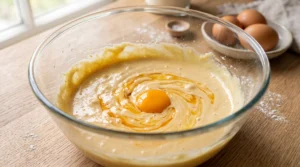
- Mix in the vanilla extract and 1/3 cup of the cooled caramel sauce.
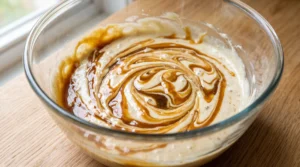
- With the mixer on low, add the flour mixture in three additions, alternating with the buttermilk in two additions, starting and ending with flour.
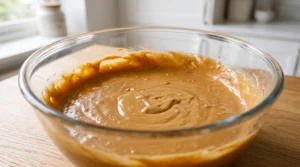
- Divide the batter among the three pans and bake for 26 to 30 minutes, until a toothpick comes out clean.
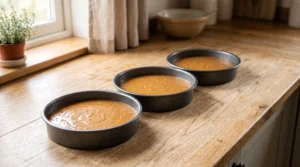
- Cool in the pans for 10 minutes, then transfer to a wire rack to cool completely before frosting.
- Beat the butter until creamy, add powdered sugar gradually, then mix in 1/3 cup of the remaining caramel sauce and salt until fluffy.
- Frost between each layer, apply a thin crumb coat, refrigerate for 20 minutes, then apply the final coat of frosting and drizzle with any remaining caramel.
- Slice and serve, or refrigerate until ready to serve.
Notes
- This caramel sauce recipe makes about 1 to 1 1/4 cups. Reserve 1/3 cup for the cake, 1/3 cup for the buttercream, and use the rest for the drip.
- Match your salt type to the amount called for. Table salt is generally saltier by volume than kosher or flaky sea salt, though brands vary, so start with less and adjust to taste, or weigh your salt in grams for consistency.
- Let the caramel sauce cool before adding it to the batter or frosting.
- Fold some caramel into the batter itself, not just the frosting, for flavor throughout.
- Store refrigerated up to 5 days. Bring to room temperature before serving.
Frequently Asked Questions
Why is my salted caramel cake too salty or too bland? This almost always comes from using a different salt type than the recipe calls for at the same measurement. Table salt is generally saltier by volume than kosher or flaky sea salt, so swapping types without scaling back the amount and tasting as you go can throw off the balance.
Can I use store-bought caramel sauce instead of homemade? Yes, a good quality store-bought caramel sauce works fine, though you may need to add a pinch of salt yourself if it isn’t already salted, and homemade gives you more control over the flavor.
Why does this recipe put caramel in the cake batter, not just the frosting? Most recipes only add caramel to the frosting or drizzle, but folding some into the batter gives every layer real caramel flavor throughout, not just the outside.
Can I make this cake ahead of time? Yes. Bake the layers up to 2 days ahead and make the caramel sauce up to a week ahead, then assemble and frost closer to when you plan to serve it.
What’s the difference between this and a caramel apple cake? This cake is a pure caramel and vanilla combination without fruit, while a caramel apple cake adds diced apples for a fall-specific twist. Both use similar caramel-making techniques.
Do I need cake flour, or will all purpose work? All purpose flour works, but cake flour produces a noticeably softer, more delicate crumb that better matches a bakery-style salted caramel cake.
How far ahead can I make the caramel buttercream? Up to 3 days ahead, stored in an airtight container in the fridge. Bring it to room temperature and re-whip briefly before using.
Can I make this cake dairy free? Yes, substitute dairy free butter and a full-fat coconut cream for the heavy cream in the caramel sauce, and use dairy free butter in the cake and frosting.
The Story Behind Salted Caramel
Salted caramel as a distinct flavor is a relatively recent invention, credited to French chocolatier Henri Le Roux, who introduced a salted caramel butter candy called caramel au beurre salé in Brittany in the 1970s. The salt he used came from the region’s traditional sea salt production, and the combination was unusual enough at the time that it took years to catch on beyond France.
From there, salted caramel spread into desserts, coffee drinks, and confections worldwide, eventually becoming one of the most recognizable flavor combinations in modern baking. This homemade salted caramel cake carries that same sweet and salty balance into a proper layer cake, built specifically around getting that balance right instead of leaving it to chance.