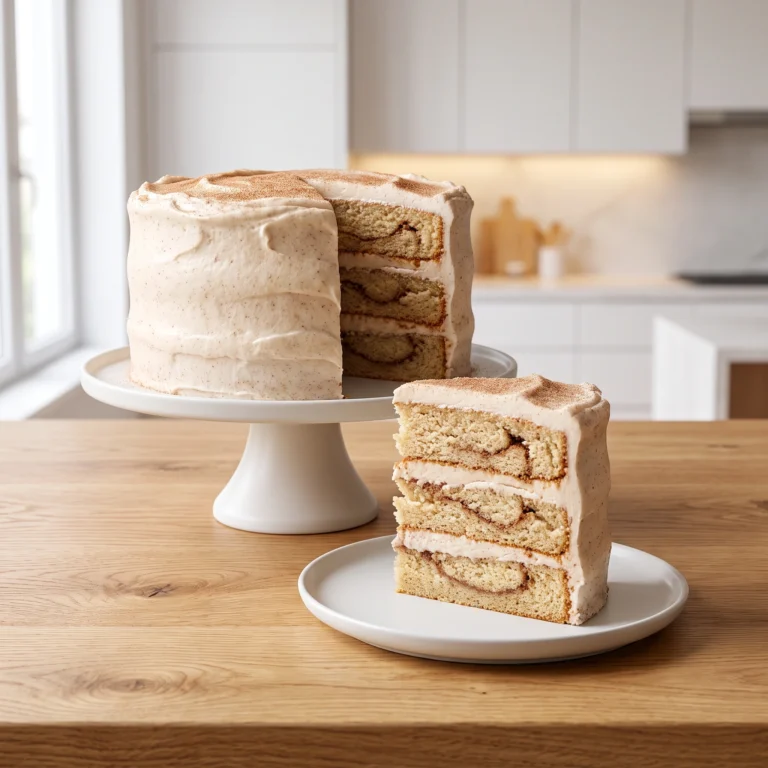
Foolproof Biscoff Cookie Butter Cake Recipe (Moist, Never Greasy)
The first time I made this cake, I microwaved the cookie butter until it was completely melted and poured it straight into the eggs and sugar. What came out of the oven was a greasy, dense cake that felt closer to a wet sponge than a proper layer cake. This homemade Biscoff cookie butter cake fixes that exact mistake, moist, tender caramel-spiced layers filled and frosted with rich cookie butter buttercream.
Why You’ll Love This Biscoff Cookie Butter Cake
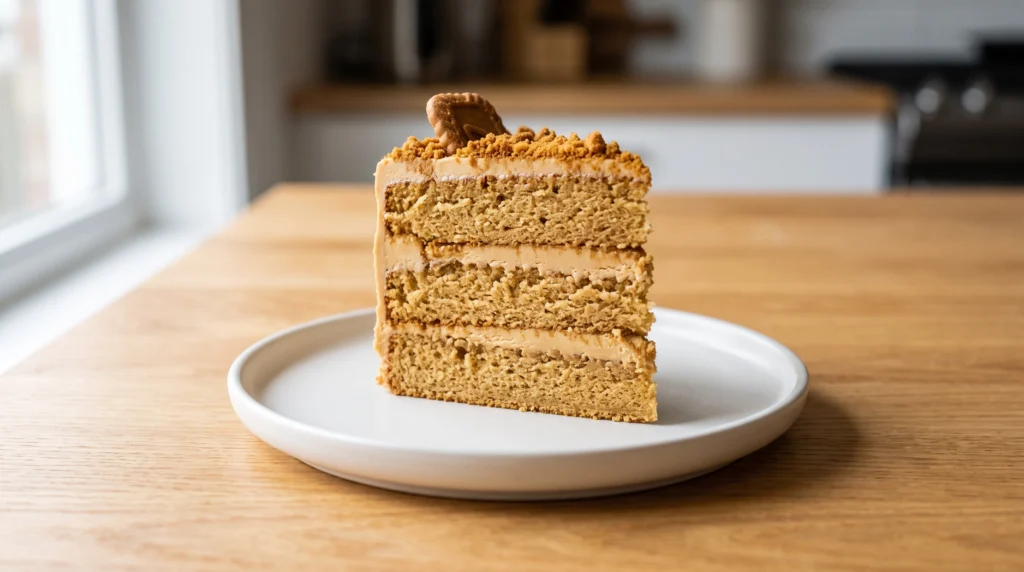
- No more greasy or dense layers. Most homemade cookie butter cakes struggle with this exact problem. This recipe explains exactly why it happens and how to avoid it.
- Real Biscoff flavor in every bite. Cookie butter goes into the batter, between the layers, and into the frosting, so the caramelized speculoos flavor comes through fully.
- Soft, moist crumb. Cake flour and a mix of butter and oil keep this Biscoff cookie butter cake tender instead of heavy.
- Works in four formats. Layer cake, Bundt, sheet cake, or cupcakes, all from the same base.
- A genuine crowd-pleaser. Cookie butter fans go a little wild for this one, and it works for birthdays, potlucks, or just a well-deserved treat.
What You Need
For the Cake
- 2 3/4 cups (345g) cake flour
- 1 tablespoon baking powder
- 1/2 teaspoon baking soda
- 1/2 teaspoon cinnamon
- 1/2 teaspoon salt
- 3/4 cup (170g) unsalted butter, softened
- 1/2 cup (120ml) neutral oil
- 1 1/4 cups (250g) granulated sugar
- 3/4 cup (200g) Biscoff cookie butter, warmed slightly (see notes below)
- 4 large eggs, room temperature
- 1 cup (240ml) buttermilk, room temperature
- 2 teaspoons vanilla extract
For the Cookie Butter Buttercream
- 1 cup (227g) unsalted butter, softened
- 3/4 cup (200g) Biscoff cookie butter, room temperature
- 4 cups (480g) powdered sugar, sifted
- 3 to 4 tablespoons heavy cream
- Pinch of salt
- Crushed Biscoff cookies, for topping
A Quick Note on Cookie Butter
Cookie butter has a different consistency than regular butter, it’s a dense blend of caramelized cookie crumbs, sugar, and oil, and how you handle it changes this cake’s texture more than almost any other ingredient. Warm it just enough to make it pourable and easy to stir, about 15 to 20 seconds in the microwave, but never melt it fully into a thin liquid. This distinction is covered in detail in The One Rule section below and is the single biggest difference between this cake and a greasy, dense version.
Baking Tools I Actually Use
| Amount | Name | Notes |
|---|---|---|
| 3 | 8 inch round cake pans | For the classic layer cake height |
| 1 | KitchenAid stand mixer or hand mixer | For creaming and frosting |
| 1 | Digital kitchen scale | For accurate flour measurement |
| 1 | Offset spatula | For smooth frosting application |
| 1 | Wire cooling rack | For cooling the layers |
| 1 | Cake turntable | For even, professional frosting |
The One Rule: Warm the Cookie Butter, Don’t Melt It
This is the single most avoidable mistake in every homemade Biscoff cookie butter cake, and it’s the one that got me on my first attempt. It’s also common enough that at least one popular cookie butter Bundt cake recipe was publicly revised after readers reported their cakes sinking.
Cake batter is an emulsion, a mixture of fat and liquid held together in a stable structure, and that structure only holds up to a point. According to Confessions of a Cake Snob’s breakdown of emulsions in baking emulsions break when the fat in the batter can’t hold the volume of liquid being added to it, and the fix is to add liquid gradually rather than all at once. Fully melted cookie butter behaves like a sudden rush of hot liquid fat added directly into the batter, which overwhelms the emulsion your creamed butter and sugar worked to build in the first place.
Temperature control matters just as much as the order of operations. According to Handle the Heat’s guide to creaming butter and sugar once an emulsion gets too warm, it breaks and will not return to its original structure, leading directly to sunken, greasy results. That’s exactly why this recipe calls for warming the cookie butter only enough to make it pourable, never fully melting it into a thin liquid, and mixing it into the batter gradually rather than all at once.
Step by Step Instructions
Step 1: Prep the Pans Preheat the oven to 350 degrees F. Grease and flour three cake pans, then line the bottoms with parchment paper rounds.
Step 2: Mix Dry Ingredients Whisk the cake flour, baking powder, baking soda, cinnamon, and salt together in a medium bowl. Set aside.
Step 3: Cream Butter, Oil, and Sugar In a stand mixer, beat the butter, oil, and sugar together on medium speed for a full 3 minutes until noticeably lighter and fluffy.
Step 4: Add the Cookie Butter Gradually With the mixer on low, add the slightly warmed cookie butter in two additions, mixing just until incorporated after each.
Step 5: Add Eggs Add the eggs one at a time, mixing until just combined after each.
Step 6: Add Vanilla Mix in the vanilla extract.
Step 7: Alternate Dry and Wet With the mixer on low, add the flour mixture in three additions, alternating with the buttermilk in two additions, starting and ending with flour. Mix just until combined.
Step 8: Bake Divide the batter evenly between the three pans and bake for 25 to 29 minutes, until a toothpick inserted in the center comes out clean.
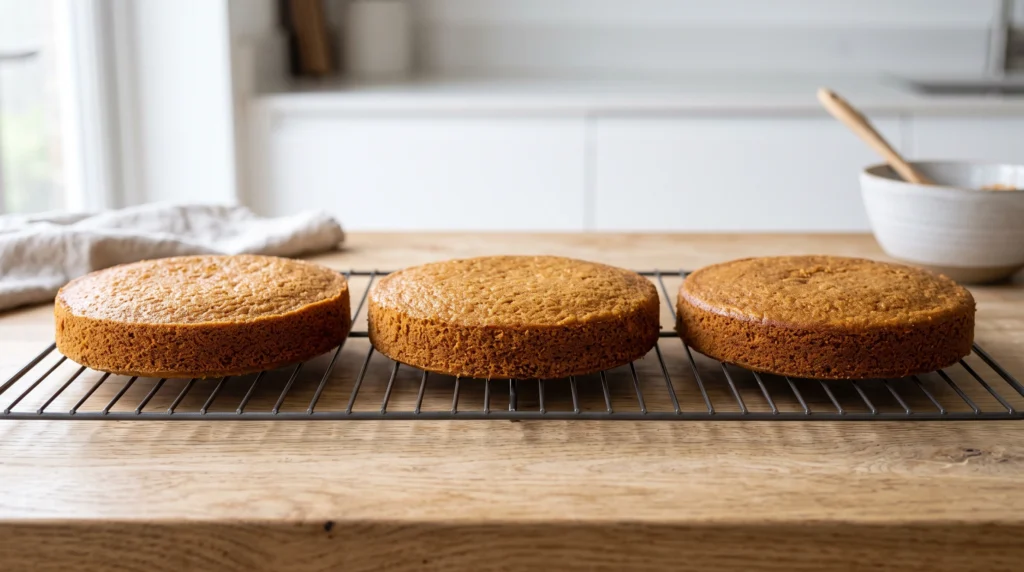
Step 9: Cool Completely Cool the cakes in their pans for 10 minutes, then turn out onto a wire rack to cool completely before frosting.
Step 10: Make the Cookie Butter Buttercream Beat the butter and cookie butter together for 2 minutes until smooth and creamy. Add the powdered sugar one cup at a time, alternating with the heavy cream. Add salt, then beat on high for 2 minutes until fluffy.
Step 11: Assemble and Frost Level the layers with a serrated knife if needed. Frost between each layer, apply a thin crumb coat, refrigerate for 20 minutes, then apply the final coat of frosting and top with crushed Biscoff cookies.
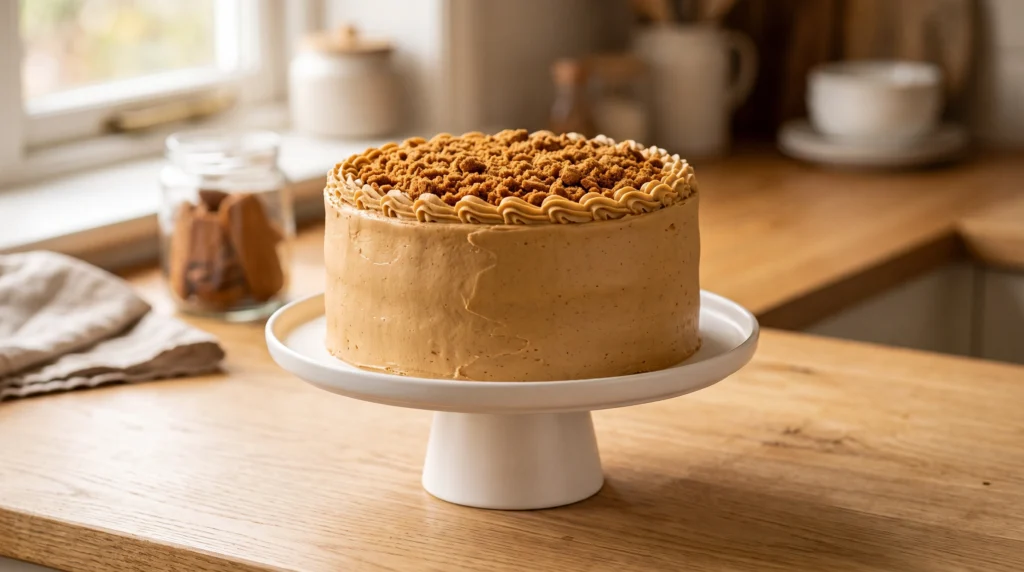
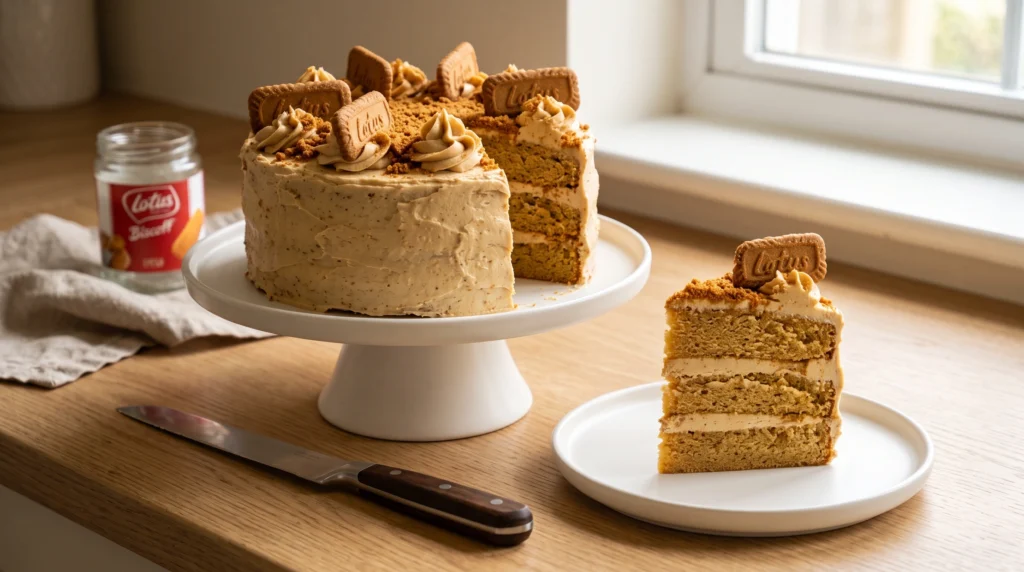
Step 12: Slice and Serve Once frosted, slice and serve, or refrigerate until ready to serve.
Common Mistakes to Avoid
Even with real Biscoff on hand, a few small missteps can still leave this cookie butter cake greasy or dense, so here’s exactly what to watch for.
- Fully melting the cookie butter. This is the single biggest cause of a greasy, dense Biscoff cookie butter cake.
- Adding cookie butter all at once instead of gradually. This overwhelms the emulsion your creamed butter and sugar built up.
- Using cold cookie butter straight from the jar. It won’t incorporate evenly and can leave dense pockets throughout the batter.
- Overmixing after adding the flour. This develops gluten and turns a light cake into a tough one.
- Skipping the crumb coat. Cookie butter buttercream can pick up crumbs easily without this step.
Variations
This Biscoff cookie butter cake recipe adapts easily beyond the classic three-layer format.
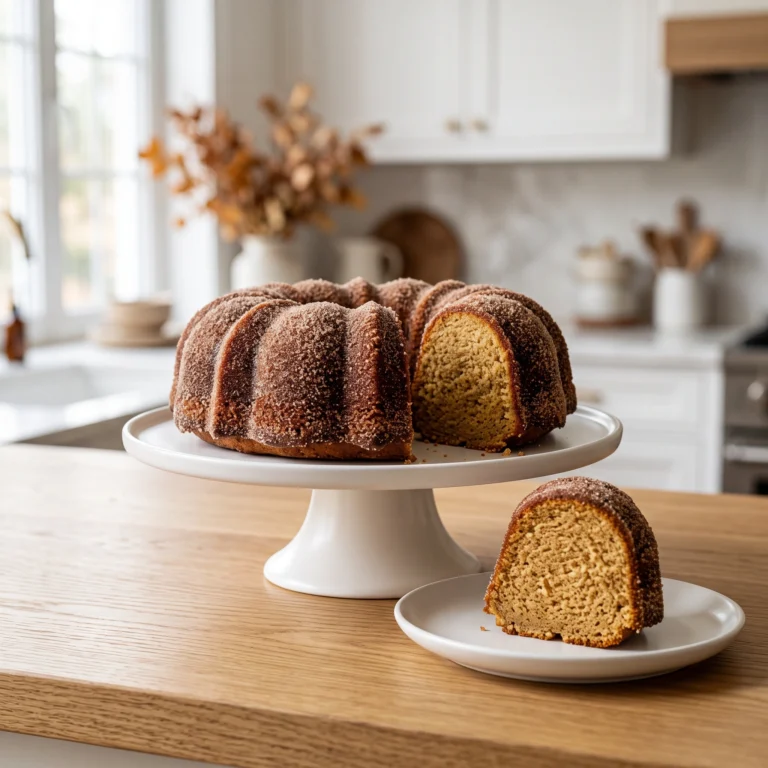
Biscoff Bundt Cake Pour all the batter into a well greased 12 cup Bundt pan. Bake at 350 degrees F for 50 to 55 minutes, then finish with a simple cookie butter glaze instead of buttercream.
Biscoff Cupcakes Divide the batter into lined muffin tins and bake for 20 to 22 minutes. Makes about 24 cupcakes.
Biscoff Cheesecake Swirl Swirl a few tablespoons of warmed cookie butter into a plain cheesecake batter before baking for a marbled effect.
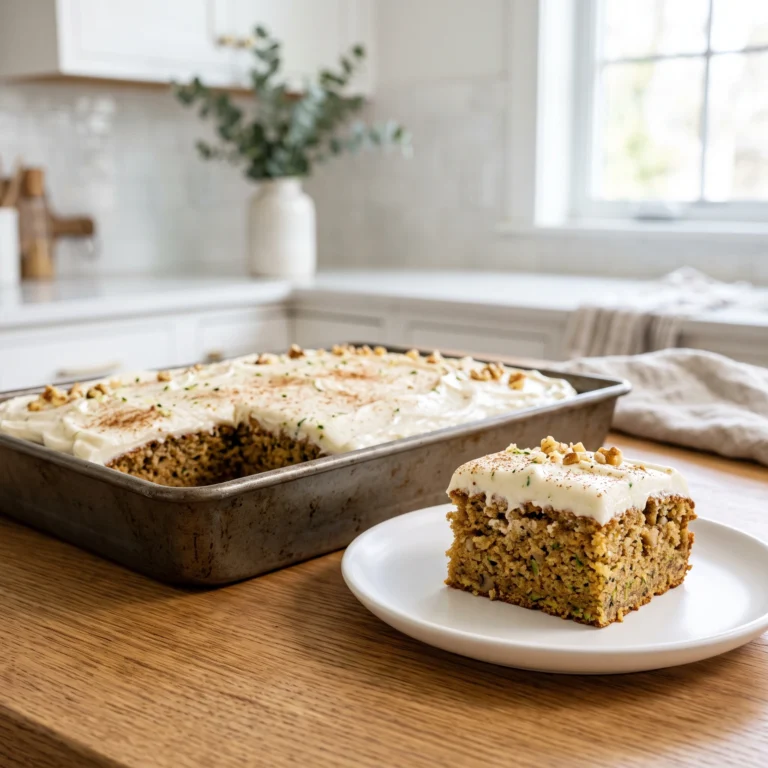
Biscoff Sheet Cake Pour the same batter into a greased 9×13 inch pan and bake for 35 to 40 minutes. Frost directly in the pan.
Chocolate Biscoff Cake Replace 1/3 cup of the cake flour with cocoa powder for a chocolate version using the same cookie butter technique.
Serving Ideas
A drizzle of warmed cookie butter over the finished frosting, plus a generous scattering of crushed Biscoff cookies, gives this Biscoff cookie butter cake a bakery-style finish that matches the flavor inside. Serve at room temperature so the buttercream stays soft, and pair a slice with a cup of coffee for an especially good match with the caramelized spice notes.
This Biscoff cookie butter cake works well for birthdays, potlucks, or fall gatherings, and it holds its own next to the site’s other caramel and specialty flavor cakes for a bigger dessert spread.
How to Store Biscoff Cookie Butter Cake
Room temperature: Covered under a cake dome, this Biscoff cookie butter cake stays fresh for up to 2 days.
Refrigerator: Store covered for up to 5 days. Let it sit at room temperature for about 30 minutes before serving so the buttercream softens back to its best texture.
Freezer: Unfrosted Biscoff cake layers wrapped tightly in plastic wrap and foil freeze well for up to 3 months. Thaw overnight in the refrigerator before frosting.
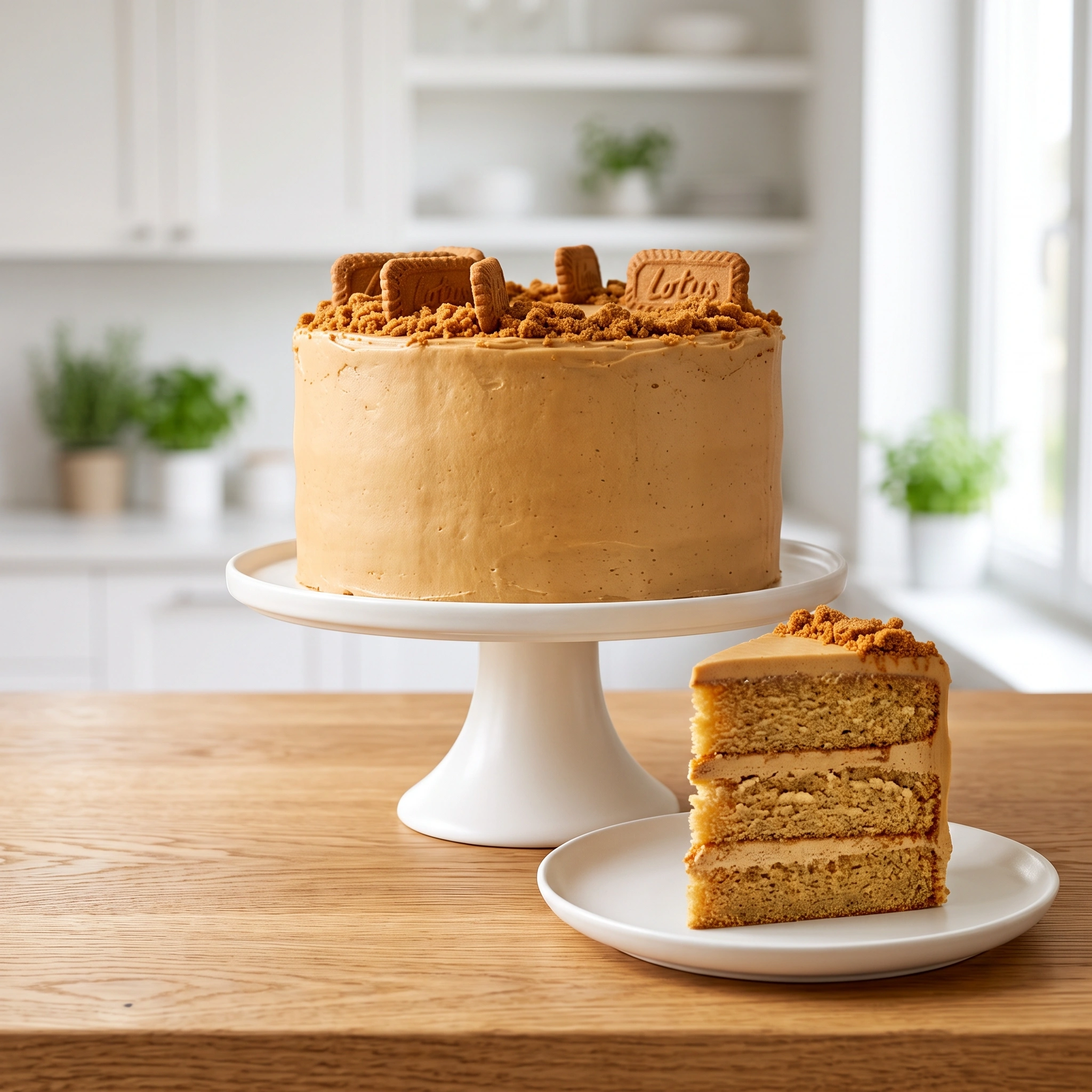
Foolproof Biscoff Cookie Butter Cake Recipe (Moist, Never Greasy)
Ingredients
Equipment
Method
- Preheat oven to 350 degrees F. Grease and flour three cake pans and line the bottoms with parchment rounds.
- Whisk the cake flour, baking powder, baking soda, cinnamon, and salt in a medium bowl.
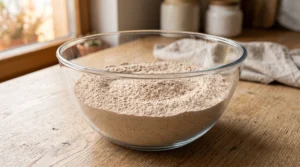
- In a stand mixer, beat the butter, oil, and sugar on medium speed for 3 minutes until light and fluffy.
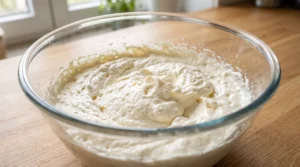
- With the mixer on low, add the slightly warmed cookie butter in two additions, mixing just until incorporated.
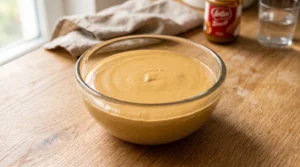
- Add eggs one at a time, mixing until just combined after each.
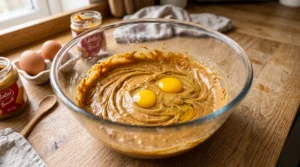
- Mix in the vanilla extract.
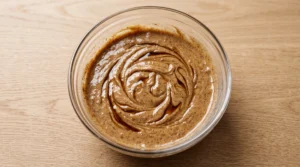
- With the mixer on low, add the flour mixture in three additions, alternating with the buttermilk in two additions, starting and ending with flour.
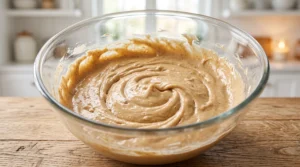
- Divide the batter among the three pans and bake for 25 to 29 minutes, until a toothpick comes out clean.
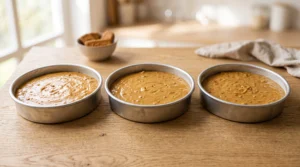
- Cool in the pans for 10 minutes, then transfer to a wire rack to cool completely before frosting.
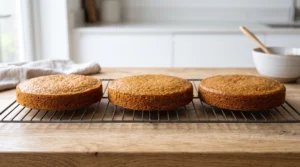
- Beat the butter and cookie butter together for 2 minutes until smooth. Add powdered sugar one cup at a time, alternating with the heavy cream. Add salt, then beat on high for 2 minutes until fluffy.
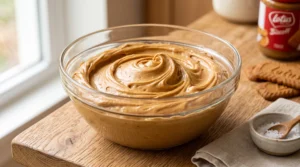
- Frost between each layer, apply a thin crumb coat, refrigerate for 20 minutes, then apply the final coat of frosting and top with crushed Biscoff cookies.
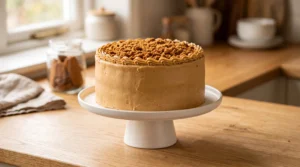
- Slice and serve, or refrigerate until ready to serve.
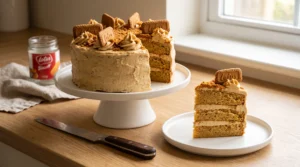
Notes
- Warm the cookie butter until just pourable. Never melt it into a thin liquid.
- Add the cookie butter to the batter gradually, not all at once.
- Use room temperature ingredients throughout for the smoothest emulsion.
- Store refrigerated up to 5 days. Bring to room temperature before serving.
Frequently Asked Questions
Why did my Biscoff cookie butter cake turn out greasy or dense? This almost always comes from fully melting the cookie butter into a thin liquid and adding it all at once, which breaks the batter’s emulsion. Warming it just enough to be pourable and adding it gradually fixes this.
Can I use crunchy cookie butter instead of smooth? Yes, crunchy Biscoff cookie butter works fine in the batter and adds a bit of texture, though smooth is recommended for the frosting for the best consistency.
What can I substitute for Biscoff if I can’t find it? Other speculoos-style cookie butter brands work the same way, but peanut butter or other nut butters will give a noticeably different flavor and texture, not a true substitute.
Can I make this cake ahead of time? Yes. Bake the layers up to 2 days ahead, wrap them tightly, and store at room temperature, then frost on the day you plan to serve it.
Do I need cake flour, or will all purpose work? All purpose flour works, but cake flour produces a noticeably softer, more delicate crumb that better matches a bakery-style Biscoff cake.
How far ahead can I make the cookie butter buttercream? Up to 3 days ahead, stored in an airtight container in the fridge. Bring it to room temperature and re-whip briefly before using.
Can I make this cake dairy free? Yes, substitute a dairy free butter alternative and a dairy free milk with a splash of lemon juice in place of the buttermilk.
Why does my frosting taste grainy? This usually means the powdered sugar wasn’t fully incorporated or the cookie butter was too cold when mixed in. Make sure both are at a similar, workable temperature before combining.
The Story Behind Biscoff and Cookie Butter
Biscoff cookies, technically called speculoos, are a Belgian spiced shortbread cookie that Lotus Bakeries has produced since the 1930s. Their US recognition took off largely because of Delta Air Lines, which began serving the cookies on flights and turned them into a genuinely beloved in-flight snack for American travelers long before cookie butter itself was widely available in stores. Cookie butter, essentially the same speculoos cookies ground into a smooth, spreadable paste, followed years later and quickly found its way from a niche import into major US grocery chains.
That crossover from airline snack to grocery staple is what set off the wave of Biscoff-flavored baking that followed, from cheesecakes to cookies to cakes like this one. This homemade Biscoff cookie butter cake brings that same caramelized, spiced flavor into a proper layer cake, built specifically around the technique that keeps it from turning greasy or dense.