The Best Apple Cider Donut Bundt Cake Recipe (Moist, Bold Apple Flavor)
The first time I made this cake, I poured in a cup of fresh cider straight from the jug and called it done. It smelled like a fall bakery while it baked, but once it cooled, the apple flavor had all but disappeared into a plain spiced bundt. This homemade apple cider donut bundt cake fixes that exact problem, a moist, tender fall cake that actually tastes like the cider donuts it’s named after, coated in butter and cinnamon sugar.
Why You’ll Love This Apple Cider Donut Bundt Cake
- Real, unmistakable apple cider flavor. Most homemade versions taste more like a plain spice cake than an actual cider donut. This recipe explains exactly why that happens and how to fix it.
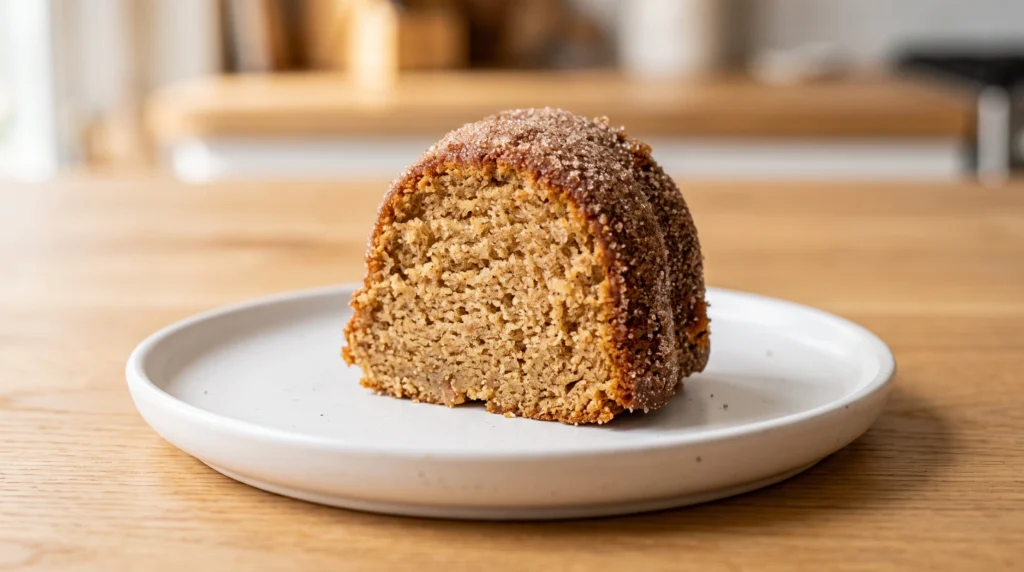
- That classic cider donut coating. A butter brush and a cinnamon sugar roll gives every slice the same crackly, sweet exterior as a fresh-fried orchard donut.
- Soft, moist crumb. Applesauce and oil keep this apple cider donut bundt cake tender for days, not just the day it’s baked.
- Works in four formats. Bundt, layer cake, sheet cake, or cupcakes, all from the same base.
- A true fall showstopper. Apple picking weekends, Thanksgiving, or any cooler-weather gathering that calls for something better than a store-bought donut.
What You Need
For the Cake
- 3 cups (375g) all-purpose flour
- 2 teaspoons baking powder
- 1 teaspoon baking soda
- 1 teaspoon cinnamon
- 1/2 teaspoon nutmeg
- 1/4 teaspoon ground cloves
- 1/2 teaspoon salt
- 1 cup (200g) granulated sugar
- 1 cup (200g) packed brown sugar
- 1/2 cup (120ml) neutral oil
- 3 large eggs, room temperature
- 1/2 cup (120g) unsweetened applesauce
- 2 teaspoons vanilla extract
- 1 cup (240ml) apple cider, reduced to about 1/2 cup (see notes below)
For the Cinnamon Sugar Coating
- 4 tablespoons unsalted butter, melted
- 3/4 cup (150g) granulated sugar
- 1 tablespoon cinnamon
A Quick Note on the Apple Cider
Fresh apple cider, not apple juice, is essential here, and even cider needs help to really come through in a baked cake. Start with the full 1 cup of cider called for in the recipe and simmer it down to about half a cup before using it in the batter, this reduction step is covered in detail in The One Rule section below and is the single biggest difference between this cake and a bland version.
Baking Tools I Actually Use
| Amount | Name | Notes |
|---|---|---|
| 1 | 10 or 12 cup Bundt pan | The classic shape for this cake |
| 1 | KitchenAid stand mixer or hand mixer | For the batter |
| 1 | Wide heavy-bottomed saucepan | For reducing the cider evenly |
| 1 | Digital kitchen scale | For accurate flour measurement |
| 1 | Pastry brush | For applying the butter coating |
| 1 | Wire cooling rack | For cooling the cake |
The One Rule: Reduce the Cider, But Don’t Overdo It
This is the single most avoidable mistake in every homemade apple cider donut bundt cake, and it’s the one that got me on my first attempt.
Fresh apple cider is mostly water, and a cup of it stirred straight into a full batch of cake batter gets diluted so much that the apple flavor barely survives baking. According to King Arthur Baking’s guide to boiled cider a full gallon of fresh cider reduces down to only about 2 cups once fully concentrated, which shows just how much water needs to cook off before the flavor becomes truly intense. This cake doesn’t need cider reduced anywhere near that far, reducing 1 cup down to about half a cup is plenty to give the batter real, noticeable apple character without turning it into a separate project.
There’s a real limit to this trick, though. King Arthur’s own guidance warns that cooking cider past the point where it forms dark, copper-colored bubbles turns it thick, bitter, and sour instead of just more flavorful, so more reduction is not always better. And reduction only helps if you’re starting with the right liquid in the first place. According to America’s Test Kitchen’s side-by-side comparison tasters clearly preferred dishes made with cider over ones made with apple juice, since juice’s added sweetness and lack of tang came through as noticeably worse once cooked. Cider that’s been reduced with care beats a larger amount of unreduced juice every time.
Step by Step Instructions
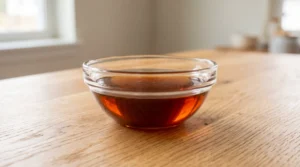
Step 1: Reduce the Cider In a small saucepan over medium heat, simmer the apple cider for 10 to 12 minutes, until it reduces to about half a cup. Watch closely toward the end so it doesn’t reduce past a syrupy consistency into something dark and bitter. Cool completely before using.
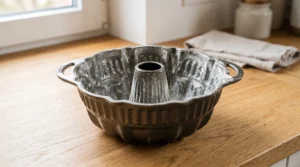
Step 2: Prep the Pan Preheat the oven to 350 degrees F. Generously grease a Bundt pan, making sure to coat every groove.
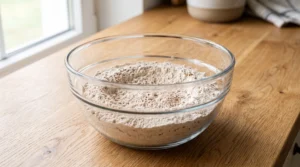
Step 3: Mix Dry Ingredients Whisk the flour, baking powder, baking soda, cinnamon, nutmeg, cloves, and salt together in a medium bowl.
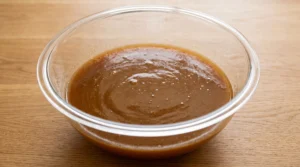
Step 4: Combine Wet Ingredients In a large bowl, whisk the granulated sugar, brown sugar, and oil together. Add the eggs one at a time, then whisk in the applesauce, vanilla, and cooled reduced cider until smooth.
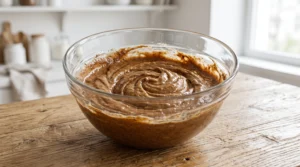
Step 5: Combine Fold the dry ingredients into the wet mixture just until no streaks of flour remain.
Step 6: Bake Pour the batter into the prepared Bundt pan and bake for 50 to 55 minutes, until a toothpick inserted in the center comes out clean.
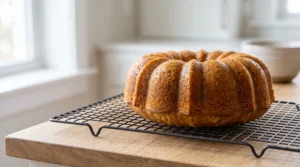
Step 7: Cool Cool the cake in the pan for 15 minutes, then invert onto a wire rack to finish cooling.
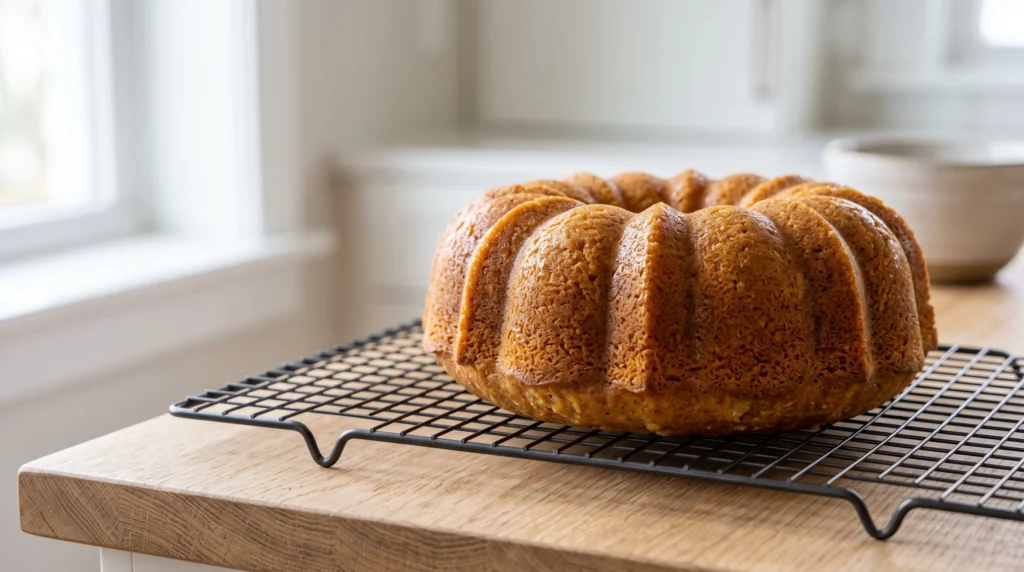
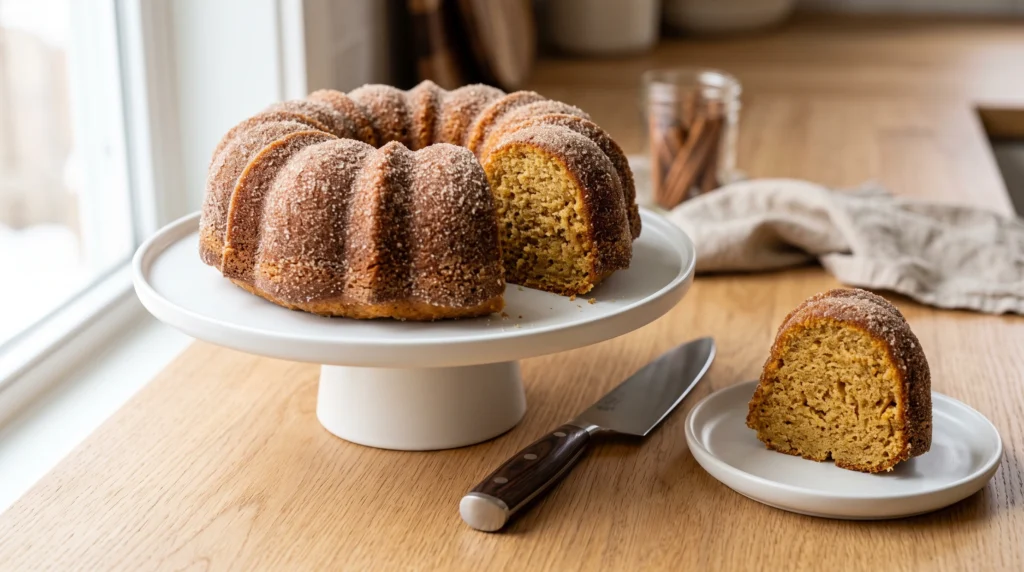
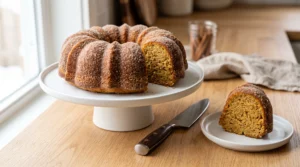
Step 8: Coat in Cinnamon Sugar While the cake is still slightly warm, brush it all over with the melted butter. Mix the sugar and cinnamon together, then roll or sprinkle the cake generously in the mixture until fully coated.
Common Mistakes to Avoid
Even with real apple cider on hand, a few small missteps can still leave this apple cider donut bundt cake tasting flat, so here’s exactly what to watch for.
- Skipping the reduction step. This is the single biggest cause of a weak, barely-there apple flavor.
- Over-reducing the cider. Past the syrupy stage, it turns bitter and sour instead of more concentrated.
- Using apple juice instead of cider. Juice is sweeter and milder, and it doesn’t hold up the same way once baked.
- Applying the butter and sugar coating after the cake fully cools. It won’t stick nearly as well to a cold surface.
- Not greasing every groove of the Bundt pan. Any missed spot risks the cake tearing on release.
Variations
This apple cider donut bundt cake recipe adapts easily beyond the classic Bundt shape.
Apple Cider Layer Cake Divide the batter between two 9-inch round pans and bake for 35 to 40 minutes, then finish with a cream cheese frosting instead of the butter and sugar coating.
Apple Cider Cupcakes Divide the batter into lined muffin tins and bake for 20 to 22 minutes. Roll the tops in the cinnamon sugar coating once cooled. Makes about 24 cupcakes.
Apple Cider Sheet Cake Pour the batter into a greased 9×13 inch pan and bake for 35 to 40 minutes. Brush with butter and sprinkle generously with cinnamon sugar.
Maple Apple Cider Cake Replace 2 tablespoons of the brown sugar with maple syrup for a deeper, more autumnal sweetness.
Glazed Apple Cider Bundt Cake Skip the butter and cinnamon sugar coating and finish instead with a simple glaze made from powdered sugar and a tablespoon of the reduced cider.
Serving Ideas
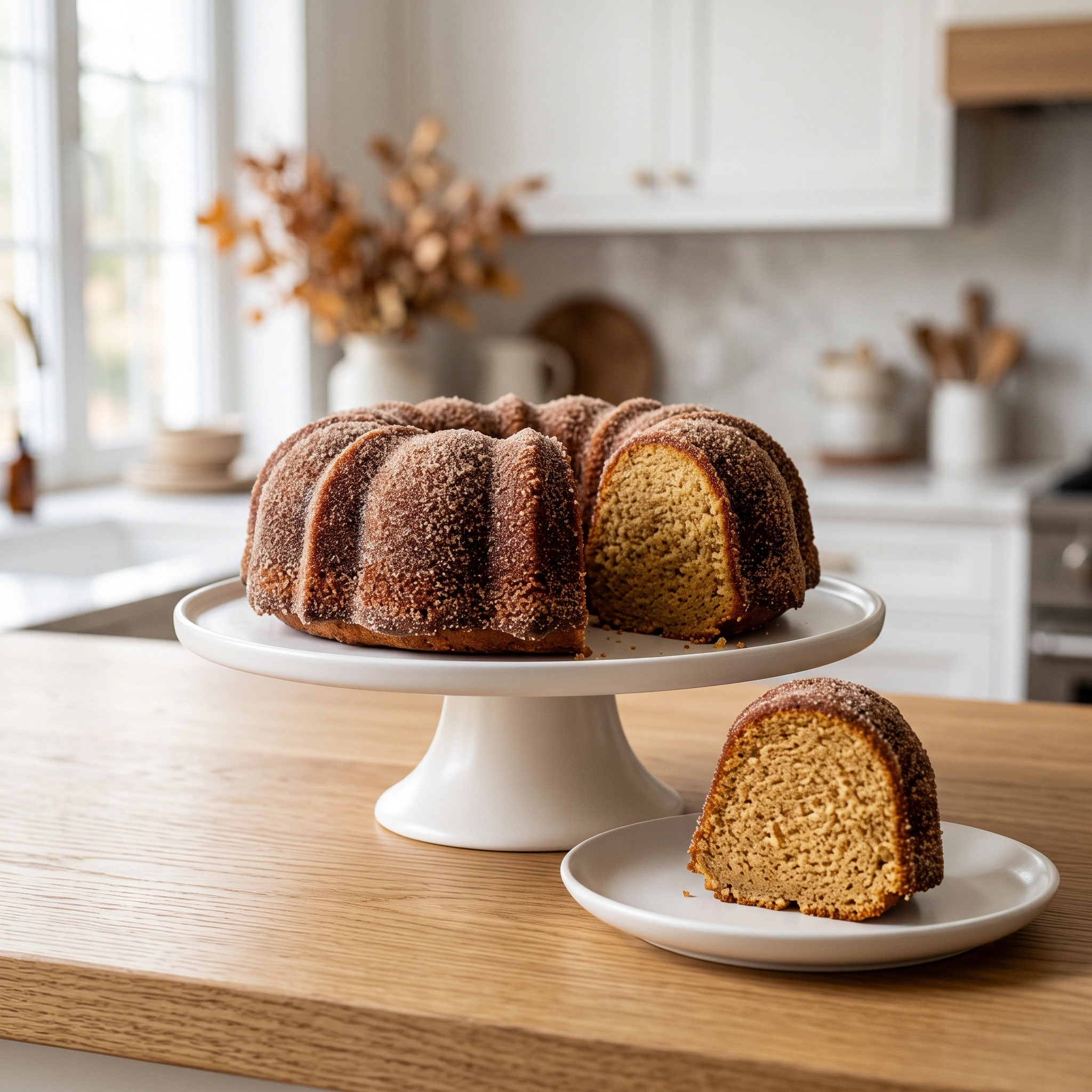
A generous cinnamon sugar coating gives this apple cider donut bundt cake the exact look and crackle of a fresh orchard donut, and it needs little else to impress on a dessert table. Serve slightly warm for the closest match to a fresh cider donut, or at room temperature alongside hot coffee or a mug of the same cider used to make it.
This apple cider donut bundt cake fits right into apple picking weekends, Thanksgiving dessert spreads, or any cooler-weather gathering, and it holds its own next to the site’s other fall favorites.
How to Store Apple Cider Donut Bundt Cake
Room temperature: Covered, this apple cider donut bundt cake stays fresh for up to 3 days.
Refrigerator: Not necessary given the lack of dairy-heavy frosting, but it can be refrigerated for up to a week if preferred.
Freezer: This cake freezes well for up to 3 months, wrapped tightly in plastic wrap and foil. Thaw at room temperature and add a fresh coat of cinnamon sugar if the original has absorbed into the crust.
The Best Apple Cider Donut Bundt Cake Recipe (Moist, Bold Apple Flavor)
Ingredients
Equipment
Method
- Simmer the apple cider in a small saucepan over medium heat for 10 to 12 minutes, until reduced to about half a cup. Cool completely.
- Preheat oven to 350 degrees F. Generously grease a Bundt pan, coating every groove.
- Whisk the flour, baking powder, baking soda, cinnamon, nutmeg, cloves, and salt in a medium bowl.
- In a large bowl, whisk the granulated sugar, brown sugar, and oil. Add eggs one at a time, then whisk in the applesauce, vanilla, and cooled reduced cider.
- Fold the dry ingredients into the wet mixture just until no flour streaks remain.
- Pour the batter into the prepared pan and bake for 50 to 55 minutes, until a toothpick comes out clean.
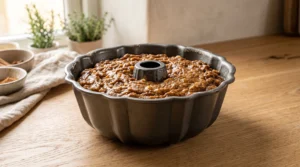
- Cool in the pan for 15 minutes, then invert onto a wire rack to finish cooling.
- While still slightly warm, brush the cake with melted butter, then roll or sprinkle it in the cinnamon sugar mixture until fully coated.
Notes
- Reduce the cider to about half its volume before using. This is the single most important step in the recipe.
- Don’t reduce the cider past a syrupy consistency, or it turns bitter.
- Apply the butter and cinnamon sugar coating while the cake is still slightly warm so it adheres properly.
- Store at room temperature, covered, for up to 3 days.
Frequently Asked Questions
Why does my apple cider cake taste bland? This almost always comes from using unreduced cider straight from the jug. Simmering it down to concentrate the flavor before adding it to the batter makes a significant difference.
Can I use apple juice instead of apple cider? It’s not recommended. Apple juice is filtered, sweeter, and milder than cider, and taste tests consistently show cider holds up better in baked and cooked recipes.
How do I know when the cider is reduced enough? Look for a syrupy consistency, roughly half the original volume. If it starts forming dark, copper-colored bubbles and smells sharp or bitter, it has gone too far.
Can I make this cake ahead of time? Yes. This cake actually keeps well for several days at room temperature, making it a genuinely good make-ahead option for a fall gathering.
Can I use store-bought apple cider instead of fresh-pressed? Yes, as long as it’s labeled apple cider and not apple juice. Store-bought pasteurized cider works fine for this recipe.
Do I need cake flour, or will all purpose work? This recipe is written for all purpose flour, which gives the bundt the sturdier, donut-like texture it’s meant to have. Cake flour would make it too delicate for this format.
Can I make this cake dairy free? Yes, substitute a dairy free butter alternative for the butter in the coating. The cake batter itself is already dairy free as written.
Why does this recipe use both applesauce and reduced cider? Applesauce adds moisture and a gentle apple note without diluting the batter, while the reduced cider delivers the concentrated, tangy apple cider flavor that applesauce alone can’t provide.
The Story Behind Apple Cider Donuts
Apple cider donuts became a fall tradition at orchards and cider mills across the Northeast and Midwest United States, where fresh-pressed cider was already being made on-site and got worked directly into the donut batter for extra apple flavor and moisture. Visiting an orchard for apple picking and leaving with a bag of warm cider donuts became such a deeply associated ritual that the donuts themselves are now often the bigger draw for many visitors than the apples.
This homemade apple cider donut bundt cake brings that same orchard flavor into a cake that can be made and enjoyed any time cider is available, without needing a fryer or a trip to the farm, built specifically around the reduction technique that keeps the apple flavor from getting lost.