
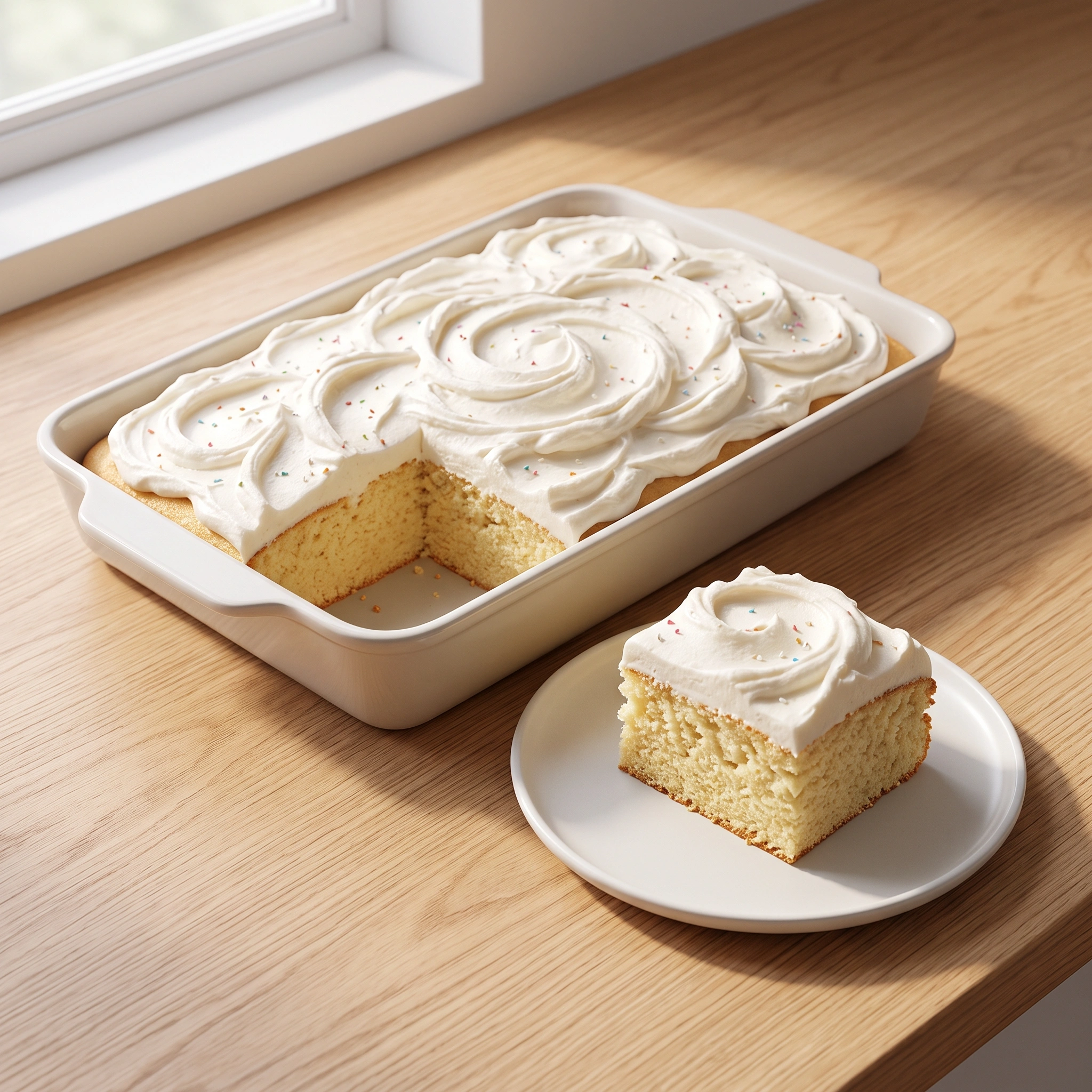
Easy Vanilla Sheet Cake Recipe (Moist, Fluffy, Feeds a Crowd)
If you need a cake that feeds 20 people, travels well, requires no decorating skills, and tastes better than anything from a grocery store bakery, this is it.
One pan. One layer. One hour including cooling time. This easy vanilla sheet cake is the recipe every home baker needs permanently in their back pocket, and most people do not have it until they need it urgently, which is always the wrong time to be learning.
The recipe uses both sour cream and buttermilk for a crumb that stays genuinely moist for three days without needing a cake dome trick or a special storage method. The vanilla buttercream spreads directly into the pan so there is no stacking, no leveling, and no crumb coat. You bake it, you frost it in the same pan, you slice it at the party.
That is the whole plan. Let’s get into it.
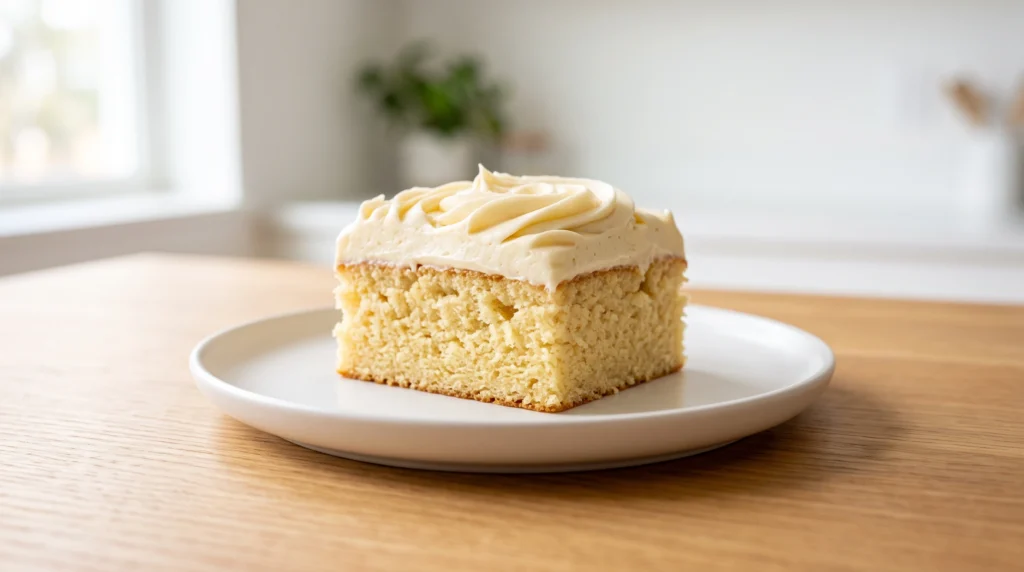
Why You’ll Love This Vanilla Sheet Cake
- Feeds a crowd without fuss. One 9×13-inch pan serves 20 to 24 people when cut into modest squares, no layer cake assembly required.
- Stays moist for days. The sour cream and buttermilk combination keeps the crumb soft from day one through day three, no special storage needed.
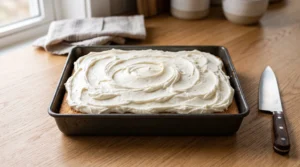
- No decorating skills necessary. Spread frosting directly in the pan with an offset spatula. Done.
- One bowl for the batter. Minimal dishes. Faster cleanup.
- Infinitely customizable. Vanilla is the base, but the variations are endless: chocolate frosting, cream cheese frosting, fresh berries on top, or sprinkles for a birthday.
- Travels perfectly. Baked and frosted in a 9×13-inch pan with a lid, this cake goes to potlucks, picnics, office parties, and school events without requiring any special transport.
What You Need
For the Vanilla Sheet Cake
- 2 1/2 cups all-purpose flour
- 2 tablespoons cornstarch
- 2 1/2 teaspoons baking powder
- 1/2 teaspoon baking soda
- 1/2 teaspoon salt
- 3/4 cup unsalted butter, room temperature
- 1 3/4 cups granulated sugar
- 3 large eggs, room temperature
- 2 teaspoons vanilla extract
- 1/2 cup sour cream, room temperature
- 3/4 cup buttermilk, room temperature
For the Vanilla Buttercream
- 1 1/2 cups unsalted butter, softened
- 5 cups powdered sugar, sifted
- 3 to 4 tablespoons heavy cream
- 2 teaspoons vanilla extract
- Pinch of salt
Recommended Equipment
- A 9×13-inch metal baking pan (Nordic Ware is the gold standard for even baking)
- A KitchenAid stand mixer or hand mixer
- A digital kitchen scale for precise measurements
- An offset spatula for frosting directly in the pan
- Parchment paper for easy removal if desired
- A bench scraper for super-smooth frosting finish
Step-by-Step Instructions
Step 1: Prep
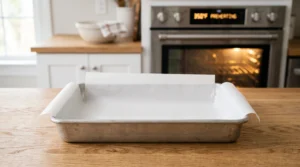
Preheat your oven to 350 degrees F. Grease a 9×13-inch metal baking pan and line the bottom with parchment paper. Grease the parchment too.
Step 2: Mix Dry Ingredients
Whisk the flour, cornstarch, baking powder, baking soda, and salt together in a medium bowl. The cornstarch is not optional here; it is doing specific structural work that I will explain in the science section. Set the bowl aside.
Step 3: Cream Butter and Sugar
Beat the room temperature butter in your stand mixer on medium-high for 2 minutes until smooth. Add the sugar and beat for 3 to 4 minutes until the mixture is visibly pale and fluffy. This is the most important step in the recipe and the one most home bakers rush. The air you build here is what gives the cake its light, open crumb.
Step 4: Add Eggs and Vanilla
Add the eggs one at a time on medium speed, scraping the bowl after each one. Add the vanilla extract and mix until combined.
Step 5: Add Sour Cream
Add the sour cream and mix on low until just combined. The batter will look slightly curdled at this point. That is fine. It will smooth out once the dry and wet ingredients are incorporated.
Step 6: Alternate Dry and Wet
Add the flour mixture in three additions, alternating with the buttermilk in two additions, beginning and ending with the flour mixture. Mix on low speed and stop the moment each addition is incorporated. Overmixing from this point toughens the crumb.
Step 7: Bake
Pour the batter into the prepared pan and spread it evenly to the edges. Bake for 28 to 33 minutes, until a toothpick inserted into the center comes out clean or with a few moist crumbs, and the top springs back when gently pressed. Start checking at 26 minutes. Sheet cakes are more vulnerable to overbaking than layer cakes because the pan surface-to-volume ratio is higher.
Step 8: Cool and Frost
Let the cake cool completely in the pan before frosting. At least an hour, ideally two. Frosting a warm cake melts the butter in the buttercream and turns it greasy and runny.
For the buttercream: beat the softened butter for 3 minutes until very pale. Add the sifted powdered sugar one cup at a time on low speed. Add the heavy cream one tablespoon at a time until you reach a soft, spreadable consistency. Add the vanilla and salt. Beat on medium for 2 minutes until smooth and fluffy. Spread directly onto the cooled cake in the pan.
The Science: Why This Vanilla Sheet Cake Stays Moist in a Large Pan {#the-science}
Sheet cakes have a specific problem that layer cakes do not: the large surface area exposes more of the crumb to dry oven air, which means overbaking and moisture loss happen faster and affect a bigger proportion of the cake. This easy vanilla sheet cake recipe addresses this with three targeted ingredient choices.
Cornstarch replaces a small portion of the flour’s structural role. Because cornstarch has no gluten, it cannot form the protein bonds that make a crumb chewy or tough. Instead, it gelatinizes during baking and creates a slightly starchy, tender texture that is noticeably softer than an all-flour cake. According to King Arthur Baking combining all-purpose flour with cornstarch effectively lowers the protein content of the flour blend and mimics the tenderizing effect of cake flour, resulting in a finer, softer crumb without needing to source specialty flour.
Sour cream and buttermilk together is a combination that some bakers question, since both are acidic dairy products. They play slightly different roles: sour cream adds fat and a thicker, richer texture to the crumb, while buttermilk contributes more liquid volume and a lighter, more delicate tang. The acidity in both weakens gluten formation by lowering the pH of the batter, which limits how tightly proteins bond during mixing and baking. King Arthur Baking confirms this directly in their buttermilk cake research noting that buttermilk adds both subtle complexity and tenderness that regular milk cannot replicate. The result is a softer, more tender crumb that stays that way even as the cake cools.
The butter and sugar creaming step traps air in the fat before any liquid is added. That air expands in the oven and creates a light, open crumb structure. In a large sheet cake where the batter is spread thin, this initial aeration is especially important because there is less thermal mass to help the cake rise from the center.
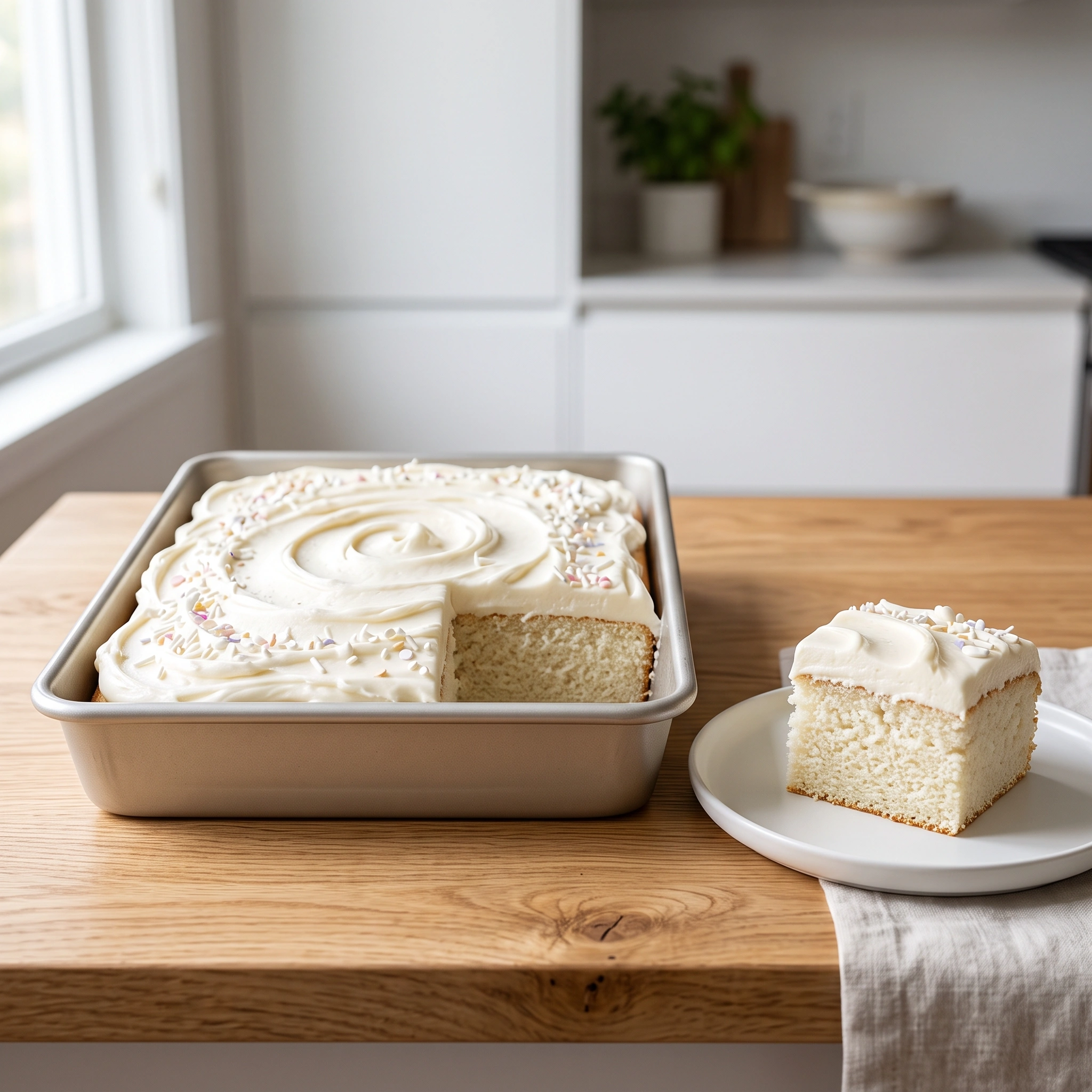
Easy Vanilla Sheet Cake (Moist, Fluffy, Feeds a Crowd)
Ingredients
Equipment
Method
- Preheat oven to 350 degrees F. Grease a 9×13-inch pan and line with parchment if desired.
- Whisk flour, cornstarch, baking powder, baking soda, and salt in a bowl. Set aside.
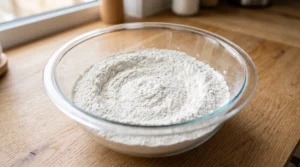
- Beat butter on medium-high for 2 minutes. Add sugar and beat 3 to 4 minutes until pale and fluffy.
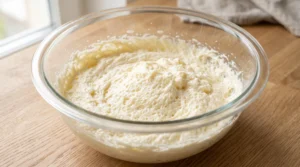
- Add eggs one at a time on medium speed. Add vanilla. Mix until combined.
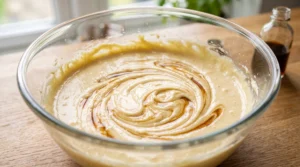
- Add sour cream on low. Mix until just combined (batter may look slightly curdled — this is fine).
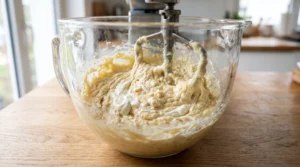
- Add flour mixture in three additions, alternating with buttermilk in two additions. Mix on low, stopping as soon as each addition is incorporated.
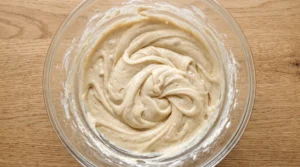
- Pour batter into pan. Spread evenly to edges. Bake 28 to 33 minutes until toothpick comes out clean.
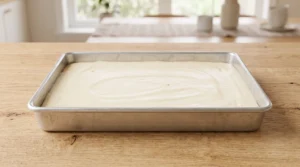
- Cool completely in pan, at least 1 hour, before frosting.
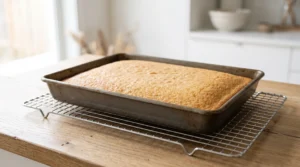
- For buttercream: beat butter 3 minutes until pale. Add powdered sugar cup by cup on low. Add cream by the tablespoon. Add vanilla and salt. Beat on medium 2 minutes until smooth.
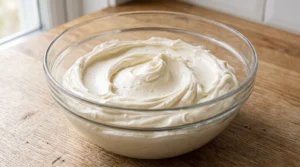
- Spread buttercream directly onto cooled cake in the pan. Slice and serve.
Notes
- Do not skip the cornstarch. It creates a noticeably softer, more tender crumb.
- The 3 to 4 minute creaming step builds the air that creates a light, open crumb. Do not rush it.
- Cool completely before frosting or the buttercream will melt.
- Start checking the cake at 26 minutes. Sheet cakes overbake faster than layer cakes.
- Store covered at room temperature for up to 3 days, refrigerated for up to 5 days.
Frequently Asked Questions
Can I make this vanilla sheet cake in a half sheet pan (13×18 inches)?
Yes. Spread the batter into a half sheet pan and bake at 350 degrees F for 18 to 22 minutes. The thinner batter layer bakes significantly faster, so start checking at 16 minutes. A half sheet cake serves 30 to 40 people depending on slice size.
Can I use this recipe for cupcakes?
Yes. Fill lined muffin tins two-thirds full and bake at 350 degrees F for 18 to 20 minutes. This recipe makes approximately 24 cupcakes.
Can I use cake flour instead of all-purpose flour and cornstarch?
Yes. Replace the 2 1/2 cups of all-purpose flour and 2 tablespoons of cornstarch with 2 3/4 cups of cake flour. Cake flour already has a lower protein content that produces a similar tenderizing effect to the cornstarch addition.
Why did my vanilla sheet cake dome in the middle?
Doming is caused by the edges baking and setting faster than the center, which forces the remaining batter to rise upward. The most common cause is an oven that runs hot. If you consistently get domed sheet cakes, reduce the oven temperature by 25 degrees and extend the baking time by 5 to 8 minutes. Baking strips wrapped around the outside of the pan also help distribute heat more evenly.
How many people does a 9×13 sheet cake serve?
Cut into 3×2-inch pieces, a 9×13-inch pan yields 18 pieces. Cut into 2×2-inch pieces for 24 smaller portions. For a party where the cake is one of multiple desserts, the 24-piece cut is standard. For a birthday where it is the main event, the 18-piece cut gives everyone a more generous slice.
Can I make the vanilla sheet cake ahead?
Yes. Bake the unfrosted cake, cool completely, and cover tightly with plastic wrap. Store at room temperature for up to 2 days or freeze for up to 2 months. Frost the day of serving for the best presentation.
Variations Worth Making
Chocolate Frosting Version
Replace the vanilla buttercream with chocolate buttercream: beat 1 cup of softened butter until fluffy, add 3/4 cup of Dutch-process cocoa powder and beat for 1 minute, then add 4 cups of powdered sugar alternating with 3 to 4 tablespoons of heavy cream. The contrast between a white vanilla crumb and dark chocolate frosting looks intentional and tastes great.
Cream Cheese Frosting Version
Replace the buttercream with cream cheese frosting: beat 8 oz of softened Philadelphia brick-style cream cheese with 1/2 cup of softened butter until smooth, add 4 cups of sifted powdered sugar, 1 teaspoon of vanilla, and a pinch of salt. This version works especially well for fall occasions and pairs naturally with the Carrot Cake with Cream Cheese Frosting on this site.
Funfetti Sheet Cake
Fold 1/2 cup of rainbow jimmies (not nonpareils, which bleed color) into the finished batter just before pouring into the pan. Top with sprinkles on the frosted cake for a birthday presentation that requires zero decorating skill.
Lemon Vanilla Sheet Cake
Add 2 tablespoons of fresh lemon zest to the batter and 1 tablespoon to the buttercream. Replace 2 tablespoons of the buttermilk with fresh lemon juice. The result is bright, floral, and more complex than plain vanilla without being a lemon cake.
Gluten-Free Version
Replace the all-purpose flour and cornstarch with 2 3/4 cups of a 1-to-1 gluten-free baking blend such as Bob’s Red Mill 1:1 or King Arthur Measure for Measure. The sour cream and buttermilk combination is particularly forgiving with gluten-free flours because the acidity compensates for some of the textural differences.
Serving Ideas
This cake does not need embellishment, but a few additions take it from everyday to occasion-worthy.
Fresh sliced strawberries, raspberries, or blueberries scattered across the frosted surface add color and a fresh contrast to the sweet buttercream. A drizzle of warm caramel sauce over each slice before serving is a combination that most people do not expect and immediately love. For a Fourth of July sheet cake, arrange fresh strawberries and blueberries in a flag pattern across the white frosting for a presentation that takes about four minutes and photographs immediately.
For potlucks and office parties, leave the cake in the pan, cover with the pan lid or foil, and bring it as-is. The pan format means you can slice directly at the serving table without a board, separate platter, or additional equipment.
How to Store
Room temperature: Frosted cake keeps under the pan lid or covered tightly with plastic wrap for up to 3 days. The frosting seals the crumb surface and slows moisture loss.
Refrigerator: Up to 5 days, covered. Remove from the refrigerator 30 minutes before serving. Cold buttercream is firm and waxy; room temperature buttercream is soft and melts correctly.
Freezer: Unfrosted, cooled cake can be wrapped tightly in plastic and foil and frozen for up to 2 months. Thaw at room temperature, still wrapped, and frost when fully thawed. Frosted slices can also be frozen individually for up to 1 month.
A Personal Note
I made this for my son’s fourth birthday because I was running short on time and could not face building a layer cake. He asked for it again for his fifth birthday, and his sixth. There is something about a sheet cake that children understand instinctively: it is not trying to be fancy. It is just good cake.
I have since made this for office parties, school events, a neighbor’s retirement, and at least a dozen potlucks. It has never come back with leftovers. That is the only performance review a recipe really needs.