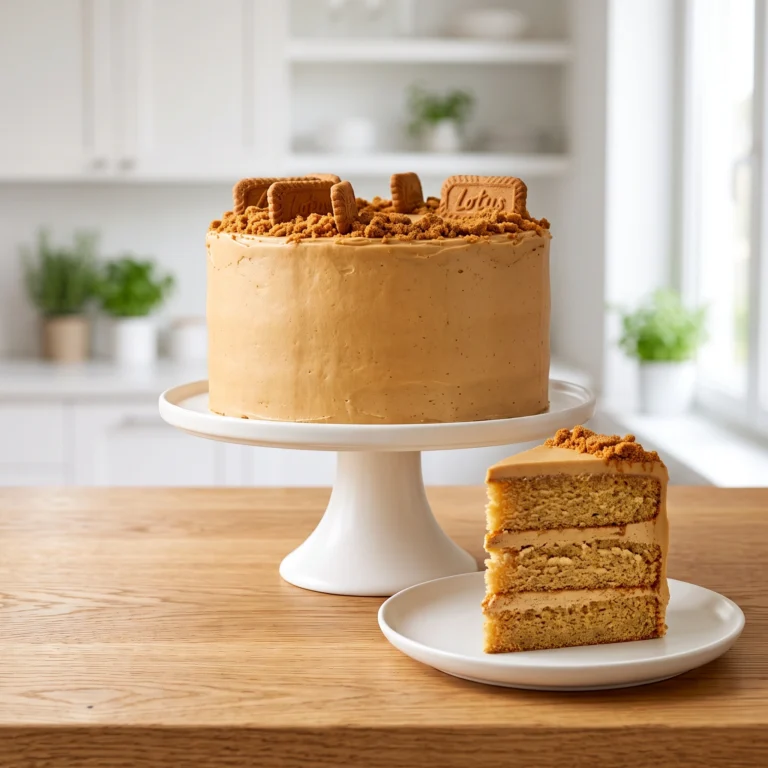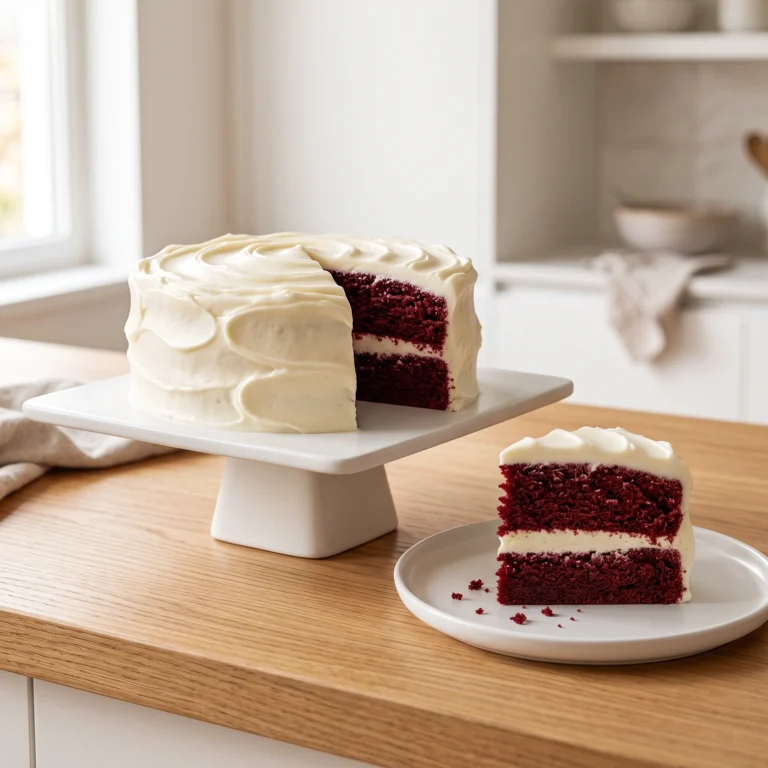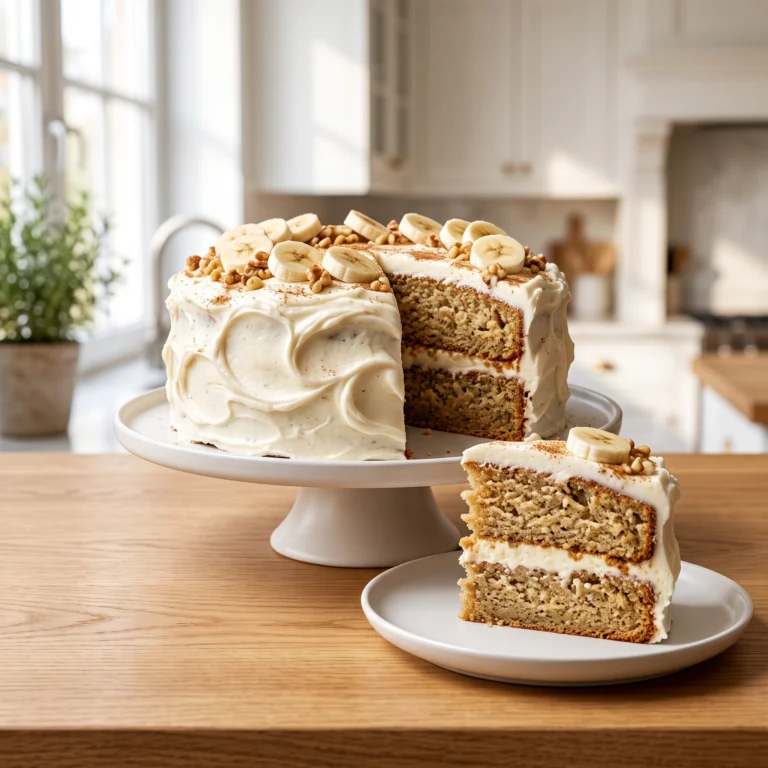
Classic Snickerdoodle Cake Recipe (Real Cinnamon Tang)
Snickerdoodle cookies have a flavor nobody mistakes for a plain cinnamon cookie, that faint tang from cream of tartar sitting underneath the cinnamon sugar. Turn that same cookie into a full-size layer cake, though, and a lot of recipes lose that tang entirely, ending up as a perfectly nice cinnamon cake that just doesn’t quite taste like a snickerdoodle. This one keeps it, the tangy cream cheese frosting complements the slight tang from the cake and adds another layer of contrast to the cinnamon sugar.
Why You’ll Love This Snickerdoodle Cake
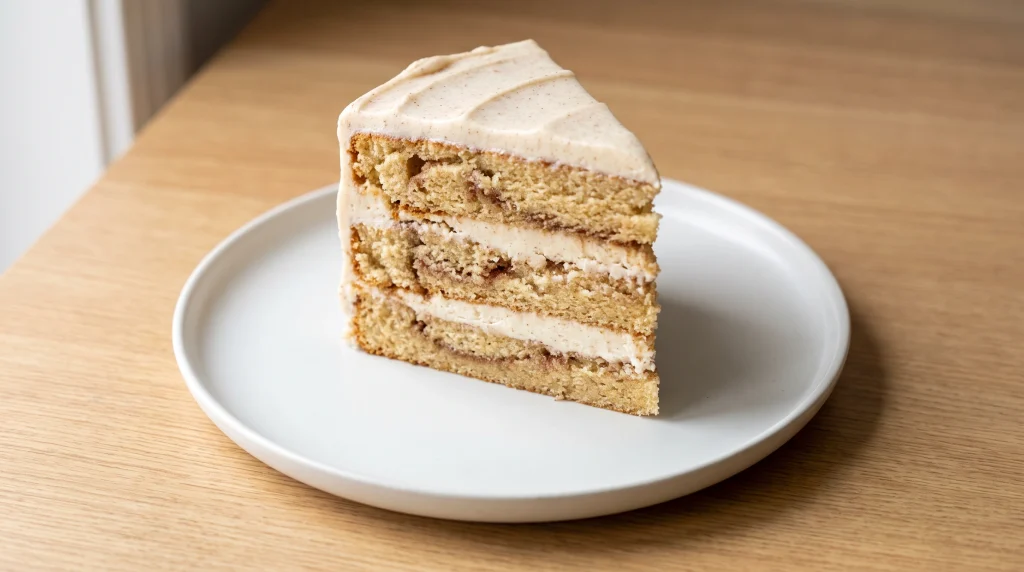
- Real snickerdoodle tang, not just cinnamon. Most homemade versions taste like plain cinnamon cake. This recipe explains exactly why the tang disappears and how to keep it.
- Cinnamon sugar in every layer. A cinnamon sugar swirl runs through the batter itself, not just the outside.
- Tangy cream cheese buttercream. It reinforces that classic snickerdoodle flavor from a second direction instead of relying on the cake alone.
- Works in four formats. Layer cake, Bundt, sheet cake, or cupcakes, all from the same base.
- A genuinely nostalgic crowd-pleaser. Familiar enough for picky eaters, distinctive enough to stand out at a birthday or potluck.
What You Need
For the Cake
- 2 3/4 cups (345g) cake flour
- 2 teaspoons cream of tartar
- 1 teaspoon baking soda
- 1/2 teaspoon salt
- 3/4 cup (170g) unsalted butter, softened
- 1 1/4 cups (250g) granulated sugar
- 4 large eggs, room temperature
- 1 cup (240ml) buttermilk, room temperature
- 2 teaspoons vanilla extract
For the Cinnamon Sugar Swirl
- 1/3 cup (65g) granulated sugar
- 1 tablespoon cinnamon
For the Cream Cheese Buttercream
- 8 ounces cream cheese, softened
- 1 cup (227g) unsalted butter, softened
- 4 cups (480g) powdered sugar, sifted
- 1/2 teaspoon cinnamon
- Pinch of salt
A Quick Note on Cream of Tartar
The amount of cream of tartar in a typical snickerdoodle cookie recipe is measured against a small amount of flour and baked into small, concentrated dough balls. Simply copying that same ratio into a full cake batter, which has far more flour and a much larger volume overall, dilutes the tang until it barely registers. This cake uses a higher proportion of cream of tartar than you’d expect from a cookie recipe, specifically to compensate for that dilution, which is covered in more detail in The One Rule section below.
Baking Tools I Actually Use
| Amount | Name | Notes |
|---|---|---|
| 3 | 9 inch round cake pans | For the classic layer cake height |
| 1 | KitchenAid stand mixer or hand mixer | For creaming and frosting |
| 1 | Digital kitchen scale | For accurate flour measurement |
| 1 | Offset spatula | For smooth frosting application |
| 1 | Cake turntable | For even, professional frosting |
Why Cream of Tartar Matters in Snickerdoodle Cake
This is the single most avoidable mistake in every homemade snickerdoodle cake, and it’s a big part of why so many recipes disagree on whether cream of tartar even belongs in the batter at all.
Cream of tartar, also called potassium bitartrate, is a naturally acidic byproduct of winemaking, and according to 123 Food Science’s breakdown of the ingredient it does three jobs in the kitchen: it reacts with baking soda as a leavening acid, it stabilizes whipped egg whites, and it imparts a distinct tangy taste of its own. That tangy taste is genuinely there, chemically, whether it’s in a cookie or a cake. The difference is concentration. A cookie packs the same proportional amount of cream of tartar into a small, dense dough ball, while a cake spreads that identical ratio across a much larger volume of batter and a longer bake, which is exactly why some bakers conclude cream of tartar “doesn’t fit” a cake and drop it entirely, shifting the tang to the frosting instead.
The chemistry itself is well documented. According to Science Notes’ explanation of the reaction citing food scientist Harold McGee’s reference work On Food and Cooking, cream of tartar reacts with baking soda to release carbon dioxide, and its acidic character comes through as a genuine flavor note, not just a leavening function. Rather than choosing between cream of tartar in the cake or in the frosting, this recipe increases the batter’s ratio specifically to survive dilution and adds a matching cinnamon note to the cream cheese buttercream, so the tang comes through from both directions instead of disappearing into a generically sweet cake.
Step by Step Instructions
Step 1: Make the Cinnamon Sugar Swirl Mix the sugar and cinnamon together in a small bowl. Set aside.
Step 2: Prep the Pans Preheat the oven to 350 degrees F. Grease and flour three cake pans, then line the bottoms with parchment paper rounds.
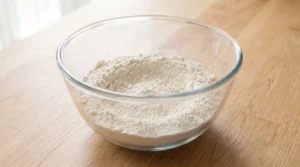
Step 3: Mix Dry Ingredients Whisk the cake flour, cream of tartar, baking soda, and salt together in a medium bowl.
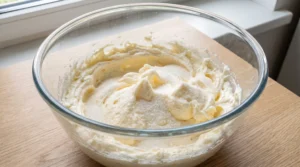
Step 4: Cream Butter and Sugar In a stand mixer, beat the butter and sugar together on medium speed for a full 3 minutes until light and fluffy.
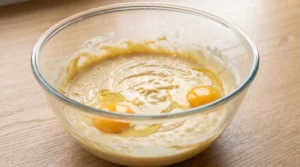
Step 5: Add Eggs Add the eggs one at a time, mixing until just combined after each.
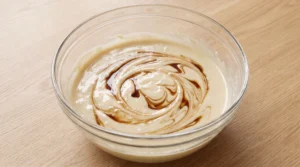
Step 6: Add Vanilla Mix in the vanilla extract.
Step 7: Alternate Dry and Wet With the mixer on low, add the flour mixture in three additions, alternating with the buttermilk in two additions, starting and ending with flour.
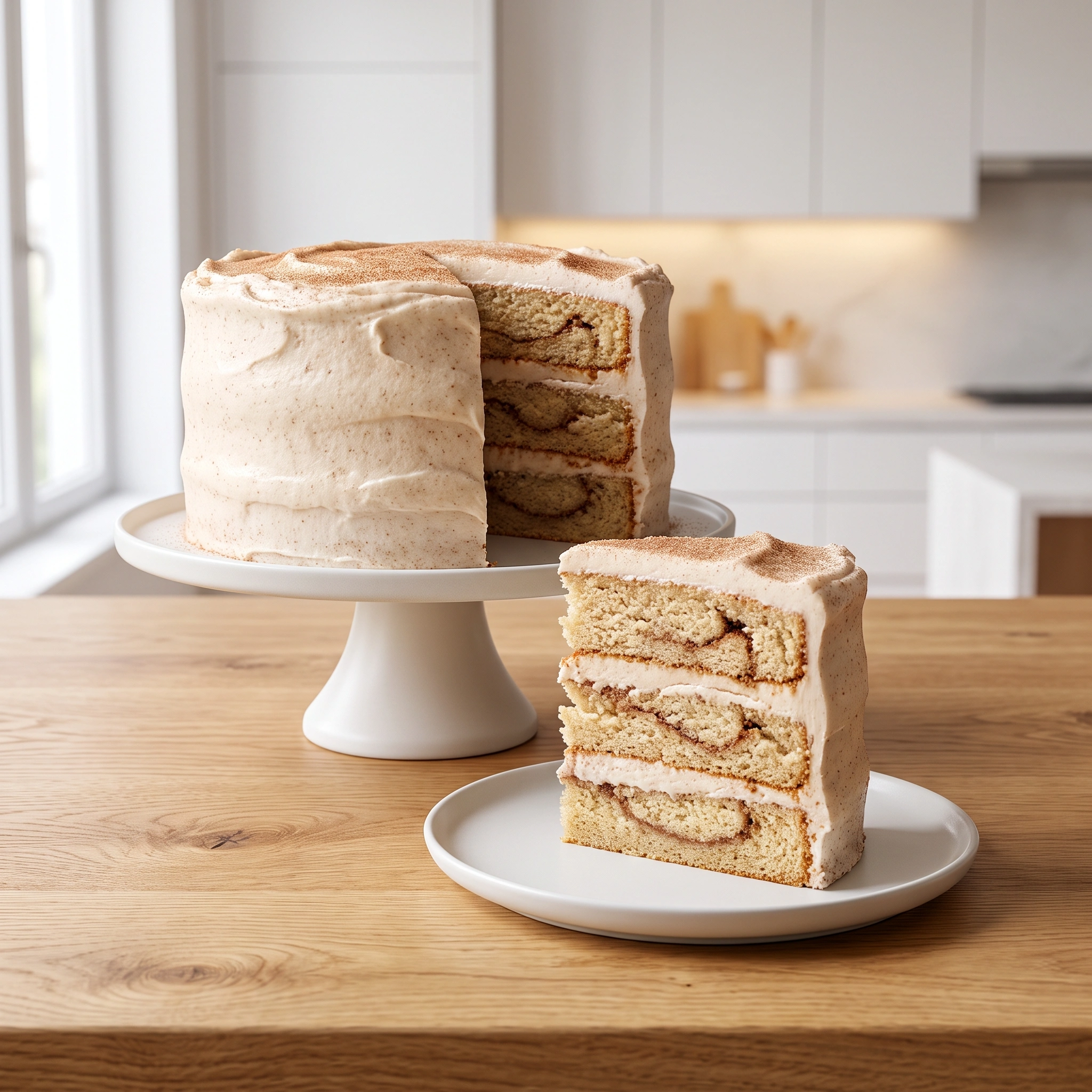
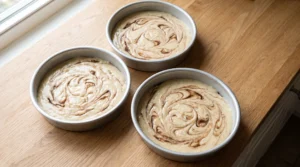
Step 8: Layer in the Cinnamon Sugar Divide half the batter between the three pans. Sprinkle the cinnamon sugar mixture evenly over each, then top with the remaining batter and swirl gently with a knife.
Step 9: Bake Bake for 25 to 29 minutes, until a toothpick inserted in the center comes out clean.
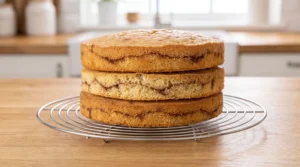
Step 10: Cool Completely Cool the cakes in their pans for 10 minutes, then turn out onto a wire rack to cool completely before frosting.
Step 11: Make the Cream Cheese Buttercream Beat the cream cheese and butter together until smooth. Add the powdered sugar gradually, then mix in the cinnamon and salt until fluffy.
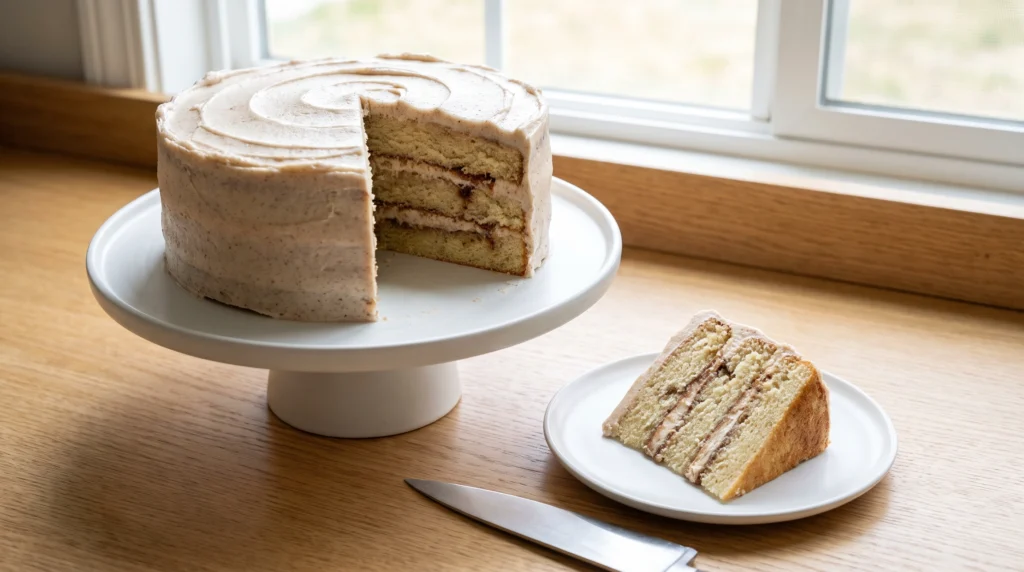
Step 12: Assemble and Frost Level the layers with a serrated knife if needed. Frost between each layer, apply a thin crumb coat, refrigerate for 20 minutes, then apply the final coat of frosting.
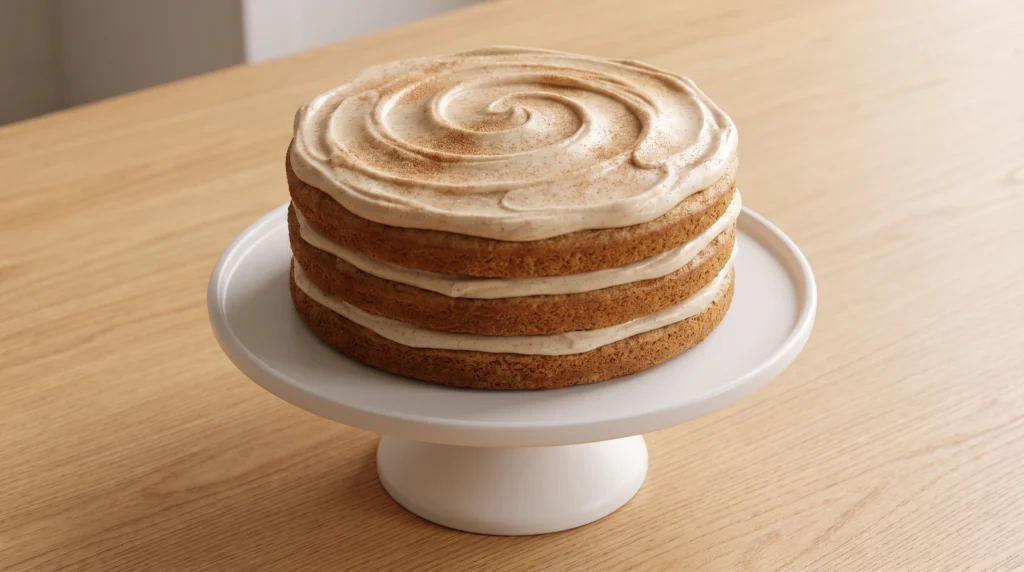
Step 13: Slice and Serve Once frosted, slice and serve, or refrigerate until ready to serve.
Common Mistakes to Avoid
Even with cream of tartar in the batter, a few small missteps can still leave this snickerdoodle cake tasting like plain cinnamon cake, so here’s exactly what to watch for.
- Using a cookie-scale amount of cream of tartar. It gets diluted across a full cake and won’t read the same as it does in a cookie.
- Skipping the cinnamon in the frosting. This is what reinforces the snickerdoodle flavor from a second direction.
- Overmixing after adding the flour. This develops gluten and turns a light cake into a tough one.
- Swirling the cinnamon sugar too aggressively. A gentle swirl keeps distinct ribbons, while heavy mixing blends it into the batter and loses the effect.
- Frosting warm cake layers. This melts the buttercream and can cause the layers to slide.
Variations
This snickerdoodle cake recipe adapts easily beyond the classic three-layer format.
Snickerdoodle Bundt Cake Pour all the batter into a well greased 12 cup Bundt pan, layering in the cinnamon sugar as you go. Bake at 350 degrees F for 50 to 55 minutes.
Snickerdoodle Cupcakes Divide the batter into lined muffin tins, adding a small pinch of cinnamon sugar to each before baking, and bake for 20 to 22 minutes. Makes about 24 cupcakes.
Snickerdoodle Sheet Cake Pour the batter into a greased 9×13 inch pan and bake for 35 to 40 minutes. Frost directly in the pan.
Brown Sugar Snickerdoodle Cake Replace half the granulated sugar in the batter with brown sugar for a deeper, more caramelized flavor.
Snickerdoodle Cake with Cinnamon Ganache Drip Finish the frosted cake with a thin cinnamon-spiced white chocolate ganache drip for a more dramatic presentation.
Serving Ideas
A light dusting of extra cinnamon sugar over the top gives this snickerdoodle cake a rustic finish that echoes the cookie it’s named after, and it needs little else to look finished. Serve at room temperature so the buttercream stays soft, and pair a slice with a glass of cold milk for the most classic snickerdoodle pairing there is.
This snickerdoodle cake works well for birthdays, potlucks, or any occasion that calls for something familiar with a bit more character than a plain vanilla cake, and it holds its own next to the site’s other classic and cookie-inspired cakes.
How to Store Snickerdoodle Cake
Room temperature: Not recommended for more than a couple of hours given the cream cheese buttercream. Refrigeration is the better default.
Refrigerator: Store covered for up to 5 days. Let it sit at room temperature for about 30 minutes before serving so the buttercream softens back to its best texture.
Freezer: Unfrosted snickerdoodle cake layers wrapped tightly in plastic wrap and foil freeze well for up to 3 months. Thaw overnight in the refrigerator before frosting.
Classic Snickerdoodle Cake Recipe (Real Cinnamon Tang)
Ingredients
Equipment
Method
- Mix the sugar and cinnamon together for the swirl. Set aside.
- Preheat oven to 350 degrees F. Grease and flour three cake pans and line the bottoms with parchment rounds.
- Whisk the cake flour, cream of tartar, baking soda, and salt in a medium bowl.
- In a stand mixer, beat the butter and sugar on medium speed for 3 minutes until light and fluffy.
- Add eggs one at a time, mixing until just combined after each.
- Mix in the vanilla extract.
- With the mixer on low, add the flour mixture in three additions, alternating with the buttermilk in two additions, starting and ending with flour.
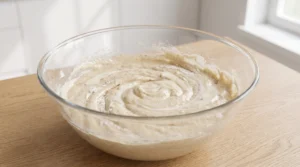
- Divide half the batter among the three pans, sprinkle with the cinnamon sugar, then top with the remaining batter and swirl gently.
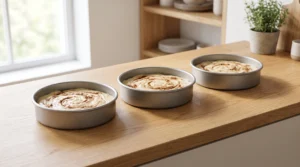
- Bake for 25 to 29 minutes, until a toothpick comes out clean.
- Cool in the pans for 10 minutes, then transfer to a wire rack to cool completely before frosting.
- Beat the cream cheese and butter until smooth. Add powdered sugar gradually, then mix in cinnamon and salt until fluffy.
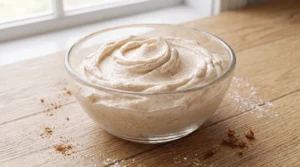
- Frost between each layer, apply a thin crumb coat, refrigerate for 20 minutes, then apply the final coat of frosting.
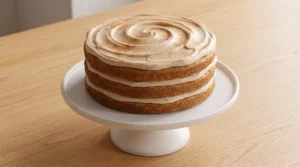
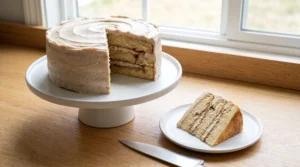
- Slice and serve, or refrigerate until ready to serve.
Notes
- Use a higher ratio of cream of tartar than a cookie recipe would call for, since a cake batter dilutes the tang across a much larger volume.
- Add cinnamon to the frosting as well, so the flavor comes through from both directions.
- Swirl the cinnamon sugar gently to keep distinct ribbons rather than fully blending it in.
- Store refrigerated up to 5 days. Bring to room temperature before serving.
Frequently Asked Questions
Why doesn’t my snickerdoodle cake taste like a real snickerdoodle? This usually comes from using the same small amount of cream of tartar a cookie recipe calls for, which gets diluted across a much larger cake batter. Increasing the ratio and adding cinnamon to the frosting both help bring the flavor back.
Can I skip the cream of tartar entirely? You can, but the cake will taste more like a standard cinnamon cake than a true snickerdoodle. If you must skip it, lean more heavily on the cinnamon in both the batter and frosting to compensate.
What can I substitute for cream of tartar? A combination of baking powder in place of the baking soda and cream of tartar together can work in a pinch, though the flavor won’t be quite as tangy.
Can I make this cake ahead of time? Yes. Bake the layers up to 2 days ahead, wrap them tightly, and store at room temperature, then frost on the day you plan to serve it.
Why is my cinnamon sugar swirl sinking to the bottom? This can happen if the batter is too thin or the swirl is too heavy-handed. Keep the layers of cinnamon sugar light and swirl gently rather than pressing it deep into the batter.
Do I need cake flour, or will all purpose work? All purpose flour works, but cake flour produces a noticeably softer, more delicate crumb that better matches a bakery-style snickerdoodle cake.
How far ahead can I make the cream cheese buttercream? Up to 3 days ahead, stored in an airtight container in the fridge. Bring it to room temperature and re-whip briefly before using.
Can I make this cake dairy free? Yes, substitute dairy free butter and cream cheese alternatives, and use a dairy free milk with a splash of lemon juice in place of the buttermilk.
The Story Behind Snickerdoodles
The exact origin of the snickerdoodle cookie is genuinely disputed, with some food historians tracing it to German or Dutch baking traditions brought to the United States by early immigrants, and others pointing to New England’s habit of giving whimsical names to simple recipes in old community cookbooks. What’s better documented is that cream of tartar itself became a common pantry staple in the 19th century, once it was widely available as a byproduct of commercial winemaking, which lines up with when cookies like the snickerdoodle started appearing in American recipe collections.
Whatever its exact origin, the snickerdoodle has held on as one of the most recognizable American cookies for generations, largely because of that specific tang cream of tartar provides. This homemade snickerdoodle cake takes that same signature flavor and rebuilds it at cake scale, with a recipe designed specifically so the tang survives the jump instead of getting lost in a bigger batch of batter.