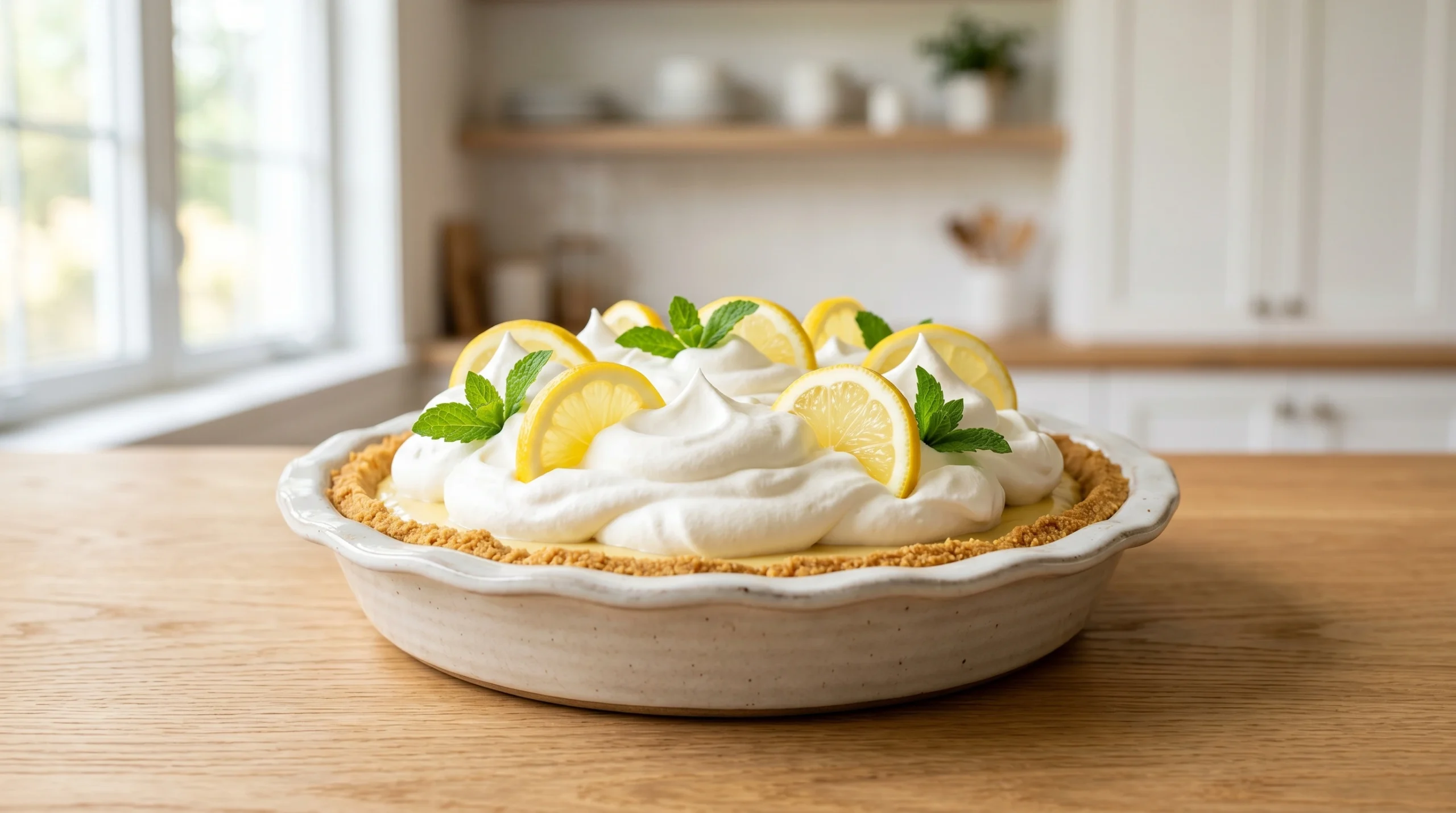
The Best Lemon Icebox Pie Recipe (No-Bake, Foolproof, 5 Ingredients)
My aunt used to make this every single summer without a recipe. No measuring cups, no timers, nothing written down. Just a can of sweetened condensed milk, a handful of lemons from the bowl on her counter, a block of cream cheese, and a graham cracker crust she pressed together in about four minutes. She made it look effortless, which it is, once you understand what is actually happening inside the filling while it chills.
I spent years trying to recreate hers from memory. Too thin. Too sweet. Not bright enough. The version I finally landed on is this one, and after testing it probably thirty times over two summers, I am satisfied that it is right.
This is a classic lemon icebox pie: creamy, tangy, impossible to mess up, and genuinely better than most desserts that take ten times the effort. No oven. No eggs. No gelatin. Just five ingredients and a refrigerator doing all the real work.
Why This Lemon Icebox Pie Earns a Permanent Spot in Your Summer Rotation
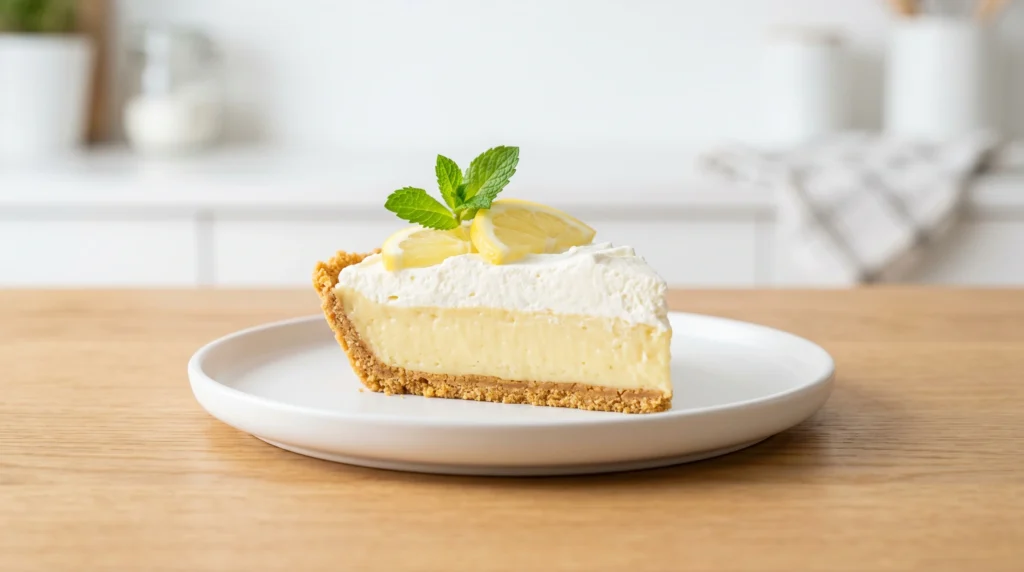
You have probably seen a version of this pie before. Maybe at a potluck where the dish came back empty. Maybe at a church supper in the South, where this dessert has been a warm-weather staple since the 1930s. Maybe your grandmother made one, and you have been quietly trying to recreate it for years.
Here is why this particular recipe gets it right.
Fresh lemon zest changes everything. Most recipes call for lemon juice but ignore the zest entirely, which is where the essential oils live. Those oils carry a floral, aromatic punch that juice alone cannot give you. The difference between a filling made with only juice and one made with juice and zest is not subtle.
Cream cheese instead of raw eggs. Traditional versions of this pie use egg yolks, which technically require at least a short bake. Cream cheese means the filling is completely no-bake, sets cleaner in the refrigerator, and slices beautifully without any oven time.
The right acid-to-condensed-milk ratio. This is the detail most recipes gloss over, and it is the one that matters most for texture. The science is actually interesting here.
Ingredients You Need
For the Graham Cracker Crust
- 1 1/2 cups graham cracker crumbs (about 12 full graham cracker sheets)
- 1/3 cup granulated sugar
- 6 tablespoons unsalted butter, melted
For the Lemon Filling
- 8 oz full-fat brick-style cream cheese (Philadelphia), softened to room temperature
- 1 can (14 oz) sweetened condensed milk (Eagle Brand recommended)
- 1/2 cup fresh lemon juice (from 3 to 4 medium lemons)
- 1 tablespoon fresh lemon zest (from 2 medium lemons)
- 1 teaspoon vanilla extract
For the Topping
- 1 cup heavy whipping cream, cold
- 2 tablespoons powdered sugar
- Thin lemon slices or fresh mint leaves for garnish (optional)
Recommended Equipment
- A 9-inch ceramic or glass pie dish
- A KitchenAid stand mixer or electric hand mixer
- A food processor for crushing graham crackers
- A microplane or citrus zester for lemon zest
- A citrus juicer for maximum juice yield
- A rubber spatula for smooth filling application
The Science: Why Lemon Juice Sets This Pie Without Baking
This is the part that genuinely surprised me the first time I looked into it, and it is also the part that explains every texture problem people run into.
When fresh lemon juice, which contains citric acid, meets sweetened condensed milk, a chemical reaction happens between the acid and the milk proteins. The citric acid causes those proteins to denature and partially coagulate, thickening the mixture into a dense, almost custard-like consistency without any heat. It is the same fundamental chemistry behind making cheese or yogurt, just faster and much sweeter.
The condensed milk is doing structural work here, not just adding sweetness. According to USDA FoodData Central sweetened condensed milk contains roughly 8 grams of protein per serving, and those proteins are what respond to the citric acid and create the firm set.
Lemon zest contributes something completely different. The essential oils in citrus zest, primarily a compound called limonene, are volatile aromatics that give lemon its sharp, floral intensity. Heat destroys them quickly, which is actually one reason no-bake lemon desserts can taste fresher and more vibrantly citrusy than baked versions. Keeping this pie cold preserves those oils fully.
All of this means the acid-to-condensed-milk ratio in the recipe matters precisely. Too little lemon juice and the proteins do not coagulate enough; the filling stays soft and cannot be sliced cleanly. Too much and the texture turns grainy. Half a cup of fresh juice to one standard 14-oz can, with cream cheese added for body, is the ratio that works consistently.
Step-by-Step Instructions
Step 1: Make the Crust
Preheat your oven to 350 degrees F. Pulse the graham crackers in a food processor until finely ground. Add the sugar and melted butter, then pulse until the mixture resembles wet sand.
Press firmly into the bottom and all the way up the sides of a 9-inch pie dish. Use the flat bottom of a measuring cup to compact the crust evenly. Bake for 8 minutes, then set aside to cool completely before adding the filling. A baked crust holds together far better than a raw one when it comes time to slice.
Step 2: Make the Filling
Beat the softened cream cheese with a stand mixer or hand mixer until completely smooth and fluffy, about 2 minutes. Scrape the bowl and beat once more. Any lumps at this stage will stay lumps in the finished pie.
Add the sweetened condensed milk and mix until combined. With the mixer running on low, slowly pour in the fresh lemon juice, then add the zest and vanilla extract. The filling will thicken visibly as the acid hits the condensed milk. Mix until smooth throughout.
Step 3: Fill and Chill
Pour the filling into the completely cooled crust and smooth the top with a spatula. Cover tightly with plastic wrap, keeping the wrap off the surface of the filling, and refrigerate for at least 6 hours. Overnight is genuinely better.
Step 4: Top and Serve
Right before serving, whip the cold heavy cream and powdered sugar to soft peaks. Spread or pipe over the chilled pie. Garnish with thin lemon slices or fresh mint if you like. Slice with a clean, sharp knife, wiping the blade between each cut.
Pro Tips for Success
- Room temperature cream cheese is the most important detail in this entire recipe. Cold cream cheese will not beat smooth no matter how long you run the mixer. Pull it out of the refrigerator at least an hour before you start.
- Zest the lemons before you juice them. Once squeezed, they are nearly impossible to zest properly.
- Use a microplane for the zest rather than a box grater. A microplane takes only the bright yellow outer layer, which is where the flavor lives. The white pith underneath is bitter and you want none of it.
- Fresh lemon juice only. Bottled juice is pasteurized, which destroys most of the volatile aromatic compounds. The difference in the finished pie is noticeable.
- The first time I made this without giving it the full chill time, I was genuinely frustrated. The filling was soft and the slices fell apart. The next morning, the exact same pie cut cleanly and tasted completely different. Six hours minimum. Overnight if you can.
Variations Worth Trying
Meyer Lemon Icebox Pie
When Meyer lemons are in season (typically November through March in the US), use them in place of regular lemons. They are sweeter and more floral, with lower acidity, which gives the filling a rounder, less sharp citrus flavor. Reduce the sugar in the crust by a tablespoon to keep the overall sweetness balanced.
Lemon Lime Icebox Pie
Swap half the lemon juice for fresh lime juice. The result is sharper and more complex than pure lemon, with a tropical edge that works especially well if you add toasted coconut to the top.
Frozen Lemon Icebox Pie
Instead of just refrigerating, pour the filling into the crust and freeze until solid, at least 4 hours. Pull it out 10 to 15 minutes before slicing. The frozen texture is firmer, closer to a semifreddo, and is particularly good on very hot days.
Mini Lemon Icebox Pies
Press the crust mixture into a paper-lined muffin tin, add the filling by the tablespoon, and chill for individual servings. These are perfect for parties where slicing a full pie is inconvenient.
Lemon Coconut Icebox Pie
Stir half a cup of shredded sweetened coconut into the graham cracker crust before pressing. Top the finished pie with toasted coconut flakes. The combination is a bit tropical and completely irresistible.
Gluten-Free Version
Use gluten-free graham crackers or crushed gluten-free vanilla cookies for the crust. The filling itself is naturally gluten-free.
Serving Ideas
This pie stands on its own. But a few simple additions make it feel more special.
A small spoonful of fresh strawberry or raspberry sauce alongside each slice cuts through the richness and adds color. A sprinkle of crushed graham crackers on top adds texture contrast without competing with the lemon flavor. For a dinner party, a thin curl of lemon zest and one edible flower on each plate makes the presentation memorable.
This is an all-occasion summer dessert. Fourth of July cookouts, baby showers, summer birthday parties, church potlucks, backyard barbecues. It travels well in a cooler and holds its shape better than most cream-based desserts in warm temperatures.
How to Store Lemon Icebox Pie
Refrigerator
Cover tightly with plastic wrap and store in the refrigerator for up to 4 days. Best within the first two days. After that, the crust gradually softens from moisture.
Freezer
The pie freezes very well. Wrap the whole pie tightly in plastic wrap and then foil, and freeze for up to 2 months. Thaw overnight in the refrigerator. Individual slices can also be wrapped separately for single-serving portions that thaw in about 30 minutes.
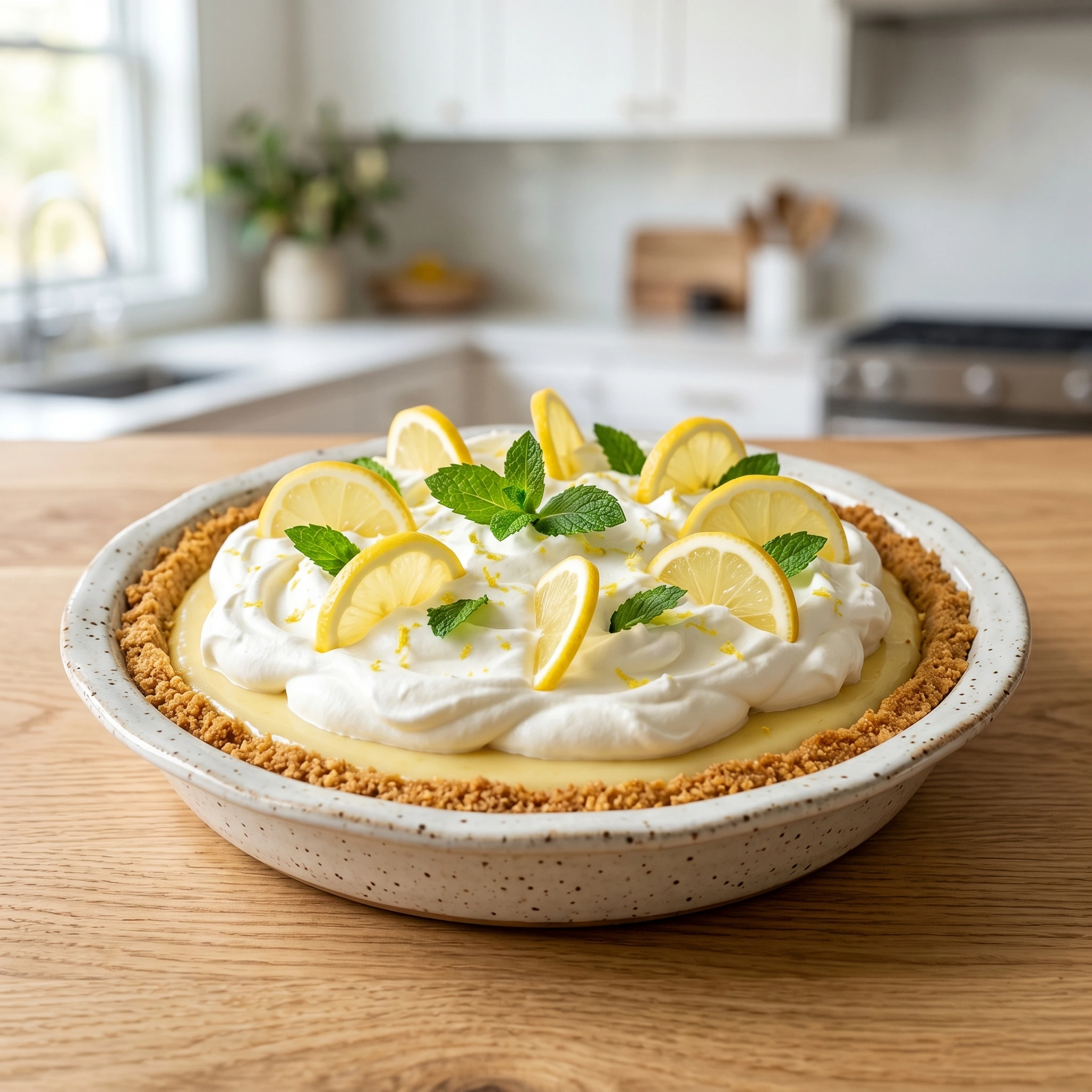
The Best Lemon Icebox Pie Recipe (No-Bake, Foolproof, 5 Ingredients)
Ingredients
Equipment
Method
- Preheat oven to 350 degrees F. Pulse graham crackers in food processor until finely ground.
- Add sugar and melted butter; pulse until mixture resembles wet sand.
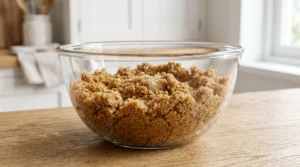
- Press firmly into bottom and sides of a 9-inch pie dish. Bake 8 minutes. Cool completely.
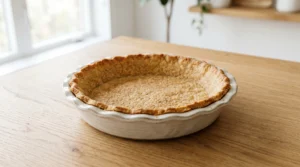
- Beat softened cream cheese until smooth and fluffy, about 2 minutes.
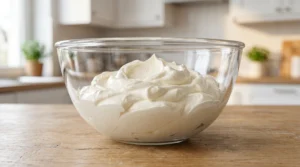
- Add sweetened condensed milk; mix until combined.
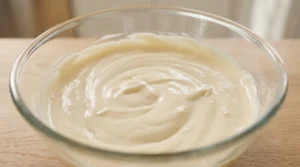
- With mixer on low, slowly pour in fresh lemon juice, then add zest and vanilla.
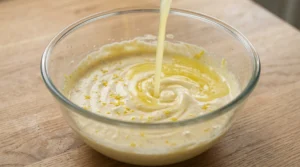
- Mix until smooth. Filling will thicken as the citric acid reacts with the condensed milk.
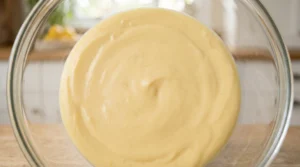
- Pour filling into the cooled crust. Smooth the top.
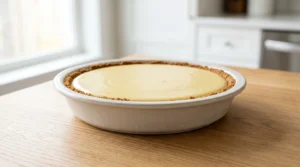
- Cover with plastic wrap. Refrigerate at least 6 hours or overnight.
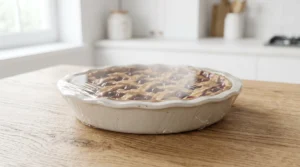
- Before serving, whip cold heavy cream and powdered sugar to soft peaks. Spread over pie.

- Garnish with lemon slices or mint. Slice with a sharp knife, wiping blade between cuts.

Notes
- Room temperature cream cheese is essential. Pull it out at least 1 hour before starting.
- Zest lemons before juicing. Use a microplane for best zest quality (no bitter pith).
- Fresh lemon juice only. Bottled juice lacks aromatic compounds for bright flavor.
- Full chill time is critical. Texture improves significantly between 4 and 8 hours.
- Store in refrigerator up to 4 days, or freeze up to 2 months.
Frequently Asked Questions
What is lemon icebox pie and where does it come from?
Lemon icebox pie is a classic Southern American no-bake dessert made with a graham cracker crust and a creamy lemon filling that sets in the refrigerator. The name comes from the icebox, the insulated cooling unit that preceded the modern refrigerator in American homes. The pie became a staple of Southern cooking from the 1930s onward, valued for its simplicity and the fact that it required no oven time during hot summers.
What is the difference between lemon icebox pie and lemon meringue pie?
Lemon meringue pie uses a cooked lemon curd filling and a baked meringue topping. It requires several steps and oven time. Lemon icebox pie requires neither. The filling is no-bake and sets through chilling, and the topping is whipped cream rather than meringue. The icebox version is far simpler and quicker to make.
Can I use bottled lemon juice instead of fresh?
You can, but the flavor will be noticeably less bright and fresh-tasting. Bottled juice is pasteurized, which eliminates most of the volatile aromatic compounds responsible for real lemon flavor. If you cannot use fresh lemons, look for a cold-pressed or freshly squeezed bottled juice with no additives as a second-best option.
Why is my filling not setting properly?
Three likely causes: not enough lemon juice (the acid has to be sufficient to coagulate the milk proteins), cream cheese that was not fully softened before mixing (which creates lumps that disrupt the filling’s structure), or insufficient chill time. Use the full half cup of fresh lemon juice, let your cream cheese reach room temperature fully, and give it at least 6 hours in the refrigerator.
Can I make this pie ahead of time?
Yes, and it is actually better if you do. Lemon icebox pie improves with longer chill time. The flavors settle and the texture firms up. Making it the night before for a next-day occasion gives you the cleanest slices and the best flavor. Add the whipped cream topping right before serving.
What is the difference between lemon icebox pie and lemon icebox cake?
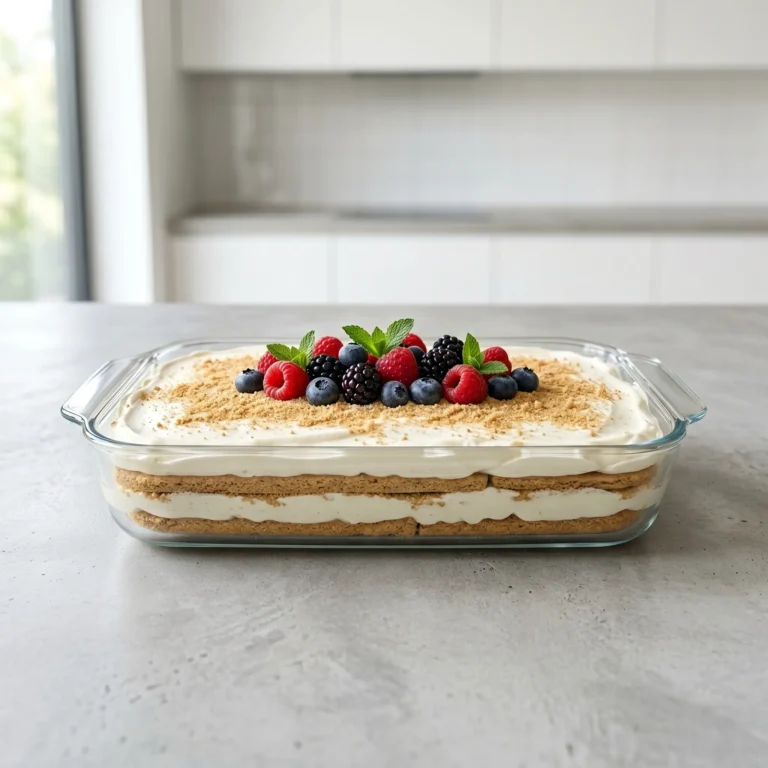
The terms are sometimes used interchangeably, but they refer to different formats. Lemon icebox pie is made in a traditional pie dish with a pressed crust. Lemon icebox cake typically refers to a layered dessert made in a baking pan or loaf pan with alternating layers of cream filling and wafer cookies or graham crackers. Both are no-bake and both use lemon as the primary flavor, but the texture and presentation are quite different.